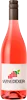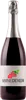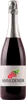
Winery Simigh Csaladi PinceszetSzekszárdi Kékfrankos Rosé
 wine
wine
This wine generally goes well with
The Szekszárdi Kékfrankos Rosé of the Winery Simigh Csaladi Pinceszet is in the top 0 of wines of Hungary.
Details and technical informations about Winery Simigh Csaladi Pinceszet's Szekszárdi Kékfrankos Rosé.
Discover the grape variety: Kalecik karasi
This grape variety is native to Turkey, where it is very well known and highly appreciated. It is virtually unknown in France and even less so in other wine-producing countries. Still in Turkey, we can find a white grape variety called kalecik also known as hasandede beyazi.
Informations about the Winery Simigh Csaladi Pinceszet
The Winery Simigh Csaladi Pinceszet is one of of the world's greatest estates. It offers 4 wines for sale in the of Hungary to come and discover on site or to buy online.

The wine region of Hungary
Hungary, in Central Europe, has gained its reputation in the wine world through just a couple of wine styles, but for centuries it has been a wine-producing nation of considerable diversity. In addition to the Sweet wines of Tokaj and the Deep Bull's Blood of Eger, the Hungarian wine portfolio includes Dry whites from the shores of Lake Balaton, Somló and Neszmély, and finer reds from various regions, notably Villány, Sopron and Szekszard. Hungarian wine culture stretches back to Roman times and has survived numerous political, religious and economic challenges, including Islamic rule during the 16th Century (when Alcohol was prohibited) and the Phylloxera epidemic of the late 1800s. The modern Hungarian wine regions are distributed around the country.
The word of the wine: Maceration
Prolonged contact and exchange between the juice and the grape solids, especially the skin. Not to be confused with the time of fermentation, which follows maceration. The juice becomes loaded with colouring matter and tannins, and acquires aromas. For a rosé, the maceration is short so that the colour does not "rise" too much. For white wines too, a "pellicular maceration" can be practised, which allows the wine to acquire more fat.