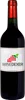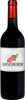
Winery Si BeauCabernet Sauvignon - Merlot Atlantique
 Red wine



This wine is a blend of 2 varietals which are the Cabernet-Sauvignon and the Merlot.
This wine generally goes well with poultry, beef or game (deer, venison).

Food and wine pairings with Cabernet Sauvignon - Merlot Atlantique
Pairings that work perfectly with Cabernet Sauvignon - Merlot Atlantique



Original food and wine pairings with Cabernet Sauvignon - Merlot Atlantique


The Cabernet Sauvignon - Merlot Atlantique of Winery Si Beau matches generally quite well with dishes of beef, lamb or game (deer, venison) such as recipes of small stuffed fish from nice, roast lamb with thyme or rabbit with tomato.
Details and technical informations about Winery Si Beau's Cabernet Sauvignon - Merlot Atlantique.
Discover the grape variety: Cabernet-Sauvignon
Structured, tannic reds, deeply coloured, with aromas of blackcurrant, blackberry, cedar, tobacco and graphite, underpinned by firm acidity and fine ageing potential. Cornerstone of the great Médoc estates (Pauillac, Saint-Estèphe, Saint-Julien) and signature of Napa Valley, Coonawarra and Maipo. The world's most planted red variety, a natural cross of Cabernet Franc x Sauvignon Blanc born in Bordeaux.
Last vintages of this wine
The best vintages of Cabernet Sauvignon - Merlot Atlantique from Winery Si Beau are 0, 2019
Informations about the Winery Si Beau
The Winery Si Beau is one of of the world's greatest estates. It offers 2 wines for sale in the of Atlantique to come and discover on site or to buy online.

The wine region of Atlantique
Nouvelle-Aquitaine regional IGP covering the Bordeaux area outside AOC (Gironde, Charentes, Dordogne, northern Lot-et-Garonne). Vast palette for gourmet everyday wines. Supple fruity Merlot reds (plum, cherry, blackberry), firm Cabernet Sauvignon (blackcurrant, cedar), peppery Cabernet Franc, light Gamay. Lively Sauvignon whites (citrus, boxwood), round Chardonnay, tense Chenin, fresh Colombard.
The word of the wine: Cordial
Said of a warm, heady wine. Also used to describe wines and spirits with allegedly therapeutic properties.