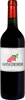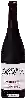
Domaine SeguelaCuvée Chaleureuse Côtes du Roussillon Villages
 Red wine
In the mouth this red wine is a powerful with a nice balance between acidity and tannins.
This wine generally goes well with beef, veal or pasta.

Taste structure of the Cuvée Chaleureuse Côtes du Roussillon Villages from the Domaine Seguela
Light | Bold | |
Smooth | Tannic | |
Dry | Sweet | |
Soft | Acidic |
In the mouth the Cuvée Chaleureuse Côtes du Roussillon Villages of Domaine Seguela in the region of Languedoc-Roussillon is a powerful with a nice balance between acidity and tannins.
Food and wine pairings with Cuvée Chaleureuse Côtes du Roussillon Villages
Pairings that work perfectly with Cuvée Chaleureuse Côtes du Roussillon Villages



Original food and wine pairings with Cuvée Chaleureuse Côtes du Roussillon Villages
The Cuvée Chaleureuse Côtes du Roussillon Villages of Domaine Seguela matches generally quite well with dishes of beef, pasta or veal such as recipes of tournedos rossini, spaghetti with salmon or sauté of doe stroganoff.
Details and technical informations about Domaine Seguela's Cuvée Chaleureuse Côtes du Roussillon Villages.
Discover the grape variety: Tzolikoouri
Structured, aromatic whites with a pale to amber golden colour (in orange-wine style), ample palate with preserved acidity, showing signature aromas of citrus, yellow fruits (apricot, peach), white flowers and mineral notes. Also as tannic qvevri orange wines. Often vinified using the traditional qvevri method (buried jar), defining the viticultural identity of Imereti. Georgian autochthonous white variety, grown mainly in the Imereti region.
Informations about the Domaine Seguela
The Domaine Seguela is one of of the world's great estates. It offers 17 wines for sale in the of Côtes du Roussillon Villages to come and discover on site or to buy online.

The wine region of Côtes du Roussillon Villages
Sunny cru of the Pyrénées-Orientales (above Côtes du Roussillon): signature Grenache, Syrah, Mourvèdre and Carignan as exclusive king reds - concentrated and fleshy with notes of ripe black fruits (blackberry, blackcurrant, plum), garrigue, cocoa, spices, liquorice and a mineral touch, coated tannins and a long finish (12. 5° min). Communal mentions (Tautavel, Lesquerde, Caramany, Latour). AOC (1977), schist, gneiss and limestone, hot windy Mediterranean climate.
The wine region of Languedoc-Roussillon
Largest single French vineyard, dominated by sunny, generous reds. Spicy Syrah, candied Grenache (ripe fruit, garrigue), structured Carignan, deep Mourvèdre, supple Cinsault. Stars: structured Corbières, Minervois, Faugères, Saint-Chinian; round Côtes-du-Roussillon. Legendary vins doux naturels: Banyuls and Maury (fortified Grenache) with notes of cocoa, fig, prune.
The word of the wine: Pagan
See savagnin.