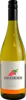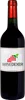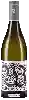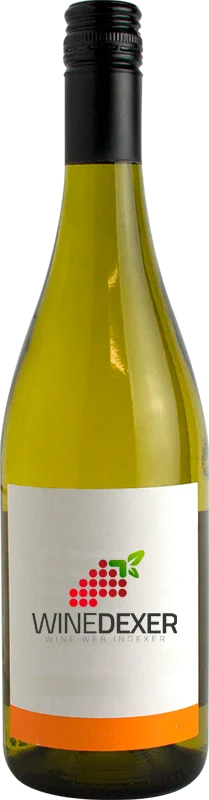
Winery Schroder WeisenbornGrauburgunder
 White wine
In the mouth this white wine is a .
This wine generally goes well with pork, cured meat or mushrooms.

Taste structure of the Grauburgunder from the Winery Schroder Weisenborn
Light | Bold | |
Dry | Sweet | |
Soft | Acidic |
In the mouth the Grauburgunder of Winery Schroder Weisenborn in the region of Pfalz is a .
Food and wine pairings with Grauburgunder
Pairings that work perfectly with Grauburgunder


Original food and wine pairings with Grauburgunder

The Grauburgunder of Winery Schroder Weisenborn matches generally quite well with dishes of pork, spicy food or mushrooms such as recipes of pork chops with mustard, coconut chicken or beef kidney.
Details and technical informations about Winery Schroder Weisenborn's Grauburgunder.
Discover the grape variety: Catarratto
Structured and fresh dry whites with a pale golden colour, a full palate with preserved acidity and signature aromas of citrus (lemon, pomelo), almond, white flowers and mineral notes from Sicilian terroirs. Productive. A pillar of dry Sicilian whites (Alcamo DOC, Etna Bianco) and an essential component of traditional Marsala, thriving on the volcanic soils of the Trapani area. Autochthonous Sicilian white variety, one of the most planted in Sicily and Italy.
Informations about the Winery Schroder Weisenborn
The Winery Schroder Weisenborn is one of of the world's greatest estates. It offers 16 wines for sale in the of Pfalz to come and discover on site or to buy online.

The wine region of Pfalz
Fleshy, dry, fruity Riesling is the region's signature: yellow peach, apricot, ripe citrus, lovely mineral tension. Germany's largest red-wine area (40%), with silky Spätburgunder showing red fruit and spice, darker structured Dornfelder, supple Portugieser. Some rounded Pinot Blanc and Pinot Gris. A 23,640 ha vineyard along the Haardt, among Germany's warmest (>2,000 h of sun).
The word of the wine: Density per hectare
Number of vines per hectare. For the same yield, a vine planted with 3,000 vines per hectare bears many more bunches (per vine) than a vine planted with 10,000. The grapes will therefore be less rich in sugar and polyphenols (tannins, aromas...).