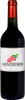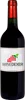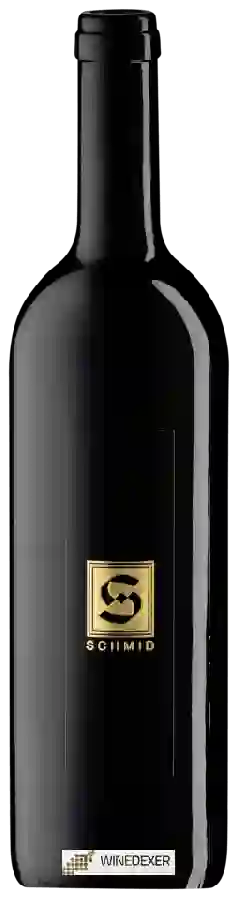
Winery SchmidweineCuvée Noir
 Red wine


This wine is a blend of 3 varietals which are the Maréchal Foch, the Pinot noir and the Regent.
This wine generally goes well with pork, poultry or veal.
The Cuvée Noir of the Winery Schmidweine is in the top 10 of wines of Thurgau.

Food and wine pairings with Cuvée Noir
Pairings that work perfectly with Cuvée Noir



Original food and wine pairings with Cuvée Noir


The Cuvée Noir of Winery Schmidweine matches generally quite well with dishes of veal, pork or game (deer, venison) such as recipes of filet mignon of veal with cider, pork stew with bacon and cream or salmon and goat cheese quiche.
Details and technical informations about Winery Schmidweine's Cuvée Noir.
Discover the grape variety: Maréchal Foch
Deeply coloured, fruity reds with a dense purple robe, supple tannins and fresh acidity, with aromas of black cherry, blackberry, plum, blackcurrant, soft spice and earthy notes. Round palate; best young or short ageing. A very cold- and mildew-resistant interspecific variety, driving viticulture in northern regions: Canada (Quebec, Ontario, Nova Scotia) and the northeastern US. Hybrid created in 1911 by Eugène Kuhlmann in Alsace, named in honour of Marshal Foch.
Last vintages of this wine
The best vintages of Cuvée Noir from Winery Schmidweine are 2018, 0, 2015
Informations about the Winery Schmidweine
The Winery Schmidweine is one of of the world's greatest estates. It offers 18 wines for sale in the of Thurgau to come and discover on site or to buy online.

The wine region of Thurgau
Wine canton of north-eastern German-speaking Switzerland on the shores of Lake Constance and the Rhine (~265 ha), cradle of Müller-Thurgau bred locally in 1882. Signature Pinot Noir (Blauburgunder) dominant in red: fine and silky with signature notes of cherry, raspberry, undergrowth, sweet spices and a mineral touch, delicate tannins and lakeside freshness. Historic Müller-Thurgau as fruity white (light muscat, apple, flowers). Also lively Riesling-Silvaner.
The word of the wine: Raw
A term whose meaning varies according to the region (terroir or estate), but which everywhere contains the idea of identifying a wine with a specific place of production.