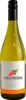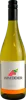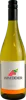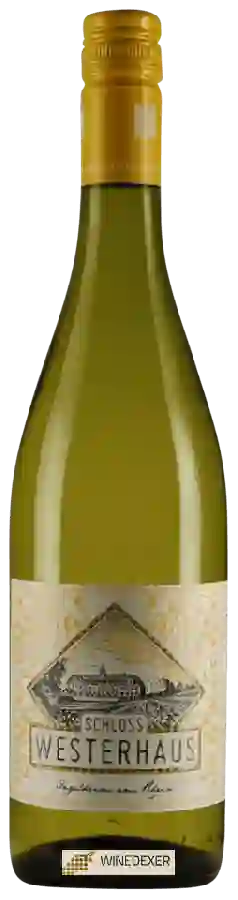
Winery Schloss WesterhausWeisser Burgunder
 White wine



In the mouth this white wine is a with a nice freshness.
This wine generally goes well with rich fish (salmon, tuna etc), shellfish or mild and soft cheese.

Taste structure of the Weisser Burgunder from the Winery Schloss Westerhaus
Light | Bold | |
Dry | Sweet | |
Soft | Acidic |
In the mouth the Weisser Burgunder of Winery Schloss Westerhaus in the region of Rheinhessen is a with a nice freshness.
Food and wine pairings with Weisser Burgunder
Pairings that work perfectly with Weisser Burgunder



Original food and wine pairings with Weisser Burgunder

The Weisser Burgunder of Winery Schloss Westerhaus matches generally quite well with dishes of rich fish (salmon, tuna etc), shellfish or mild and soft cheese such as recipes of sea bream with sweet spices, squid rings with tomato or pizza tartiflette.
Details and technical informations about Winery Schloss Westerhaus's Weisser Burgunder.
Discover the grape variety: Cannonau
Powerful, sun-drenched reds with a dark ruby robe, fleshy tannins and a dense palate, showing signature aromas of ripe red fruits (cherry, blackberry), plum, Mediterranean garrigue, spice, pepper and balsamic notes. Fine ageing potential; also vinified as rosé and sweet wines. The undisputed star of Cannonau di Sardegna DOC, the identity signature of the island. The Sardinian synonym for Spanish and French Grenache, a grape found throughout the western Mediterranean.
Last vintages of this wine
The best vintages of Weisser Burgunder from Winery Schloss Westerhaus are 0
Informations about the Winery Schloss Westerhaus
The Winery Schloss Westerhaus is one of of the world's greatest estates. It offers 32 wines for sale in the of Rheinhessen to come and discover on site or to buy online.

The wine region of Rheinhessen
71% white region: Riesling is king (5,000 ha), dry to off-dry, ripe yellow fruit, apple, citrus and fine saline minerality. Supple, floral Müller-Thurgau for everyday, the world's largest Silvaner plantation with herbaceous, straight notes. Historic cradle of off-sweet Liebfraumilch. Some supple reds (Dornfelder, Spätburgunder).
The word of the wine: Yeast
Micro-organisms at the base of all fermentative processes. A wide variety of yeasts live and thrive naturally in the vineyard, provided that treatments do not destroy them. Unfortunately, their replacement by laboratory-selected yeasts is often the order of the day and contributes to the standardization of the wine. Yeasts are indeed involved in the development of certain aromas.