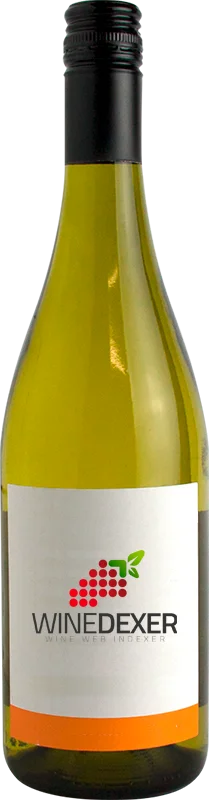
Winery Scamuzzi RobertoMoscato D'Asti
 White wine
This wine generally goes well with fruity desserts and aperitif.

Food and wine pairings with Moscato D'Asti
Pairings that work perfectly with Moscato D'Asti


Original food and wine pairings with Moscato D'Asti
The Moscato D'Asti of Winery Scamuzzi Roberto matches generally quite well with dishes of fruity desserts or aperitif such as recipes of apple pie or peach and tuna verrine.
Details and technical informations about Winery Scamuzzi Roberto's Moscato D'Asti.
Discover the grape variety: Espadeiro
Light, fresh reds and rosés with a clear ruby or vivid pink robe, smooth tannins and a slender palate with lively acidity. Signature aromas of red fruits (strawberry, raspberry, redcurrant), soft spices and fresh floral notes. Airy Atlantic profile, best drunk young. Often blended with Vinhão and Borraçal, it features in Vinho Verde reds and rosés from the Minho. Native Portuguese black grape of the Vinho Verde zone around Amarante.
Informations about the Winery Scamuzzi Roberto
The Winery Scamuzzi Roberto is one of of the world's greatest estates. It offers 5 wines for sale in the of Asti to come and discover on site or to buy online.

The wine region of Asti
Italian capital of sweet, aromatic sparklers. Signature Asti DOCG: light, muscat-scented sparklers from Moscato Bianco with signature notes of fresh grape, peach, apricot, orange blossom and sage, opulent yet balanced sweetness, low alcohol (~7%) — a dessert treat. Moscato d'Asti a more delicate, slightly fizzy (frizzante) version. Also lively, fruity Barbera reds, peppery Grignolino and sweet, musky Brachetto d'Acqui.
The wine region of Piedmont
Kingdom of Nebbiolo: Barolo and Barbaresco DOCG, long-ageing reds with firm tannins and lively acidity, complex aromas of withered rose, sour cherry, tar, truffle and undergrowth. More accessible, tangy Barbera on red fruit, supple, crisp Dolcetto. Sweet, floral sparkling Moscato d'Asti, mineral, lemony Gavi (Cortese) white, round, almondy Arneis from Roero. 50,000 ha across the Langhe, Roero and Monferrato, UNESCO.
The word of the wine: Cutting
A blend of wines from different origins (not to be confused with the assemblage).