Winery Santa RosaAbocado Moscatel de Hamburgo
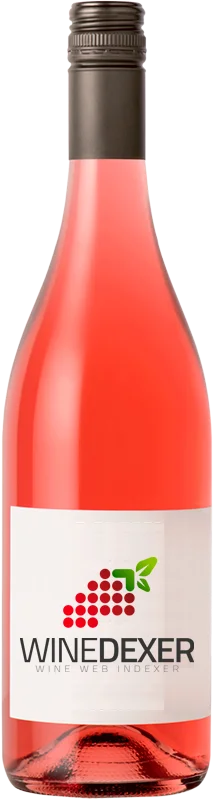
 Pink wine


This wine generally goes well with
Details and technical informations about Winery Santa Rosa's Abocado Moscatel de Hamburgo.
Discover the grape variety: Cabernet_Dorio
Intraspecific crossing between the limberger and the dornfelder realized in 1971 by Bernard Hill of the Research Institute of Weinsberg in Germany. It can be found in Germany, Belgium and Switzerland, but is little known in France. Note that the cabernet-dorsa has the same parents.
Last vintages of this wine
The best vintages of Abocado Moscatel de Hamburgo from Winery Santa Rosa are 0
Informations about the Winery Santa Rosa
The Winery Santa Rosa is one of of the world's great estates. It offers 38 wines for sale in the of Las Violetas to come and discover on site or to buy online.

The wine region of Las Violetas
The wine region of Las Violetas is located in the region of Canelones of Uruguay. Wineries and vineyards like the Domaine Bouza or the Domaine Bouza produce mainly wines red, white and pink. The most planted grape varieties in the region of Las Violetas are Tannat, Cabernet-Sauvignon and Merlot, they are then used in wines in blends or as a single variety. On the nose of Las Violetas often reveals types of flavors of oak, microbio or tree fruit and sometimes also flavors of citrus fruit, tropical fruit or non oak.
The wine region of Canelones
The Canelones administrative department, Northeast of the Uruguayan capital of Montevideo, is home to the majority of Uruguay's Vineyards and accounts for aRound 60 percent of all wine produced in the country. It Lies in the South of the small South American country, where the majority of vines are planted, inland from the Atlantic coast and the Rio de la Plata estuary. The region itself covers a broad arc approximately 50km (30 miles) Deep, drawn clockwise from the northwestern outskirts of Montevideo round to the coastline east of the capital city. The eponymous administrative capital of the region lies 50km (31 miles) to the north of Montevideo.
The word of the wine: Disgorging (champagne)
This is the evacuation of the deposit formed by the yeasts during the second fermentation in the bottle, by opening the bottle. The missing volume is completed with the liqueur de dosage - a mixture of wine and cane sugar - before the final cork is placed. For some years now, some producers have been replacing this sugar with rectified concentrated musts (concentrated grape juice) which give excellent results. A too recent dosage (less than three months) harms the gustatory harmony of the champagne.