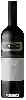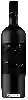
Winery Santa EmaGran Reserva Carmenère
 Red wine



In the mouth this red wine is a powerful with a nice freshness.
This wine generally goes well with poultry, beef or lamb.

Taste structure of the Gran Reserva Carmenère from the Winery Santa Ema
Light | Bold | |
Smooth | Tannic | |
Dry | Sweet | |
Soft | Acidic |
In the mouth the Gran Reserva Carmenère of Winery Santa Ema in the region of Central Valley is a powerful with a nice freshness.
Wine flavors and olphactive analysis

Food and wine pairings with Gran Reserva Carmenère
Pairings that work perfectly with Gran Reserva Carmenère



Original food and wine pairings with Gran Reserva Carmenère

The Gran Reserva Carmenère of Winery Santa Ema matches generally quite well with dishes of beef, pasta or lamb such as recipes of cornish pasties, simple chinese noodle soup or lamb breast with onions and tomato sauce.
Details and technical informations about Winery Santa Ema's Gran Reserva Carmenère.
Discover the grape variety: Mayorquin
Lively, aromatic whites with a pale golden robe, an airy palate with preserved acidity, and signature aromas of white flowers, citrus (lemon, grapefruit) and fresh Mediterranean notes. A discreet, characteristic Provençal profile. Preserved for its heritage value, it survives in a few Provençal heritage plots and is among the ancient grape varieties of south-eastern France that are studied. An indigenous French white from Provence, grown in negligible quantities.
Last vintages of this wine
The best vintages of Gran Reserva Carmenère from Winery Santa Ema are 2015, 2017, 0, 2016
Informations about the Winery Santa Ema
The Winery Santa Ema is one of of the world's great estates. It offers 59 wines for sale in the of Central Valley to come and discover on site or to buy online.

The wine region of Central Valley
Heart of modern Chilean wine: structured, sunny reds, dense, blackcurranty Cabernet Sauvignon from Maipo (Chilean cradle of the grape), signature Carménère with notes of ripe pepper, black fruit and sweet spices from Colchagua, supple Merlot and deep Syrah. Round Chardonnay whites and lively, sharp Sauvignon. Mediterranean climate, 400 km between Andes and Pacific. Star sub-regions: Maipo, Cachapoal, Colchagua, Curicó, Maule.
The word of the wine: ODG
Organisation for the defence and management of wine, set up following the reform of the "syndicats de crus". The ODG is the collective organisation responsible for the defence and management of a product under an official sign of identification and quality and between wine appellations.