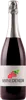
Winery San SimoneAsolo Prosecco Superiore
 wine
wine
This wine generally goes well with
The Asolo Prosecco Superiore of the Winery San Simone is in the top 0 of wines of Asolo Prosecco.
Details and technical informations about Winery San Simone's Asolo Prosecco Superiore.
Discover the grape variety: Ravat 51
An interspecific cross obtained by Jean-François Ravat around 1930. Some people give it as parents the 6905 Seibel - or subéreux - and the pinot, to be confirmed however. It can still be found in North America and England, but is practically unknown in France.
Informations about the Winery San Simone
The Winery San Simone is one of of the world's great estates. It offers 48 wines for sale in the of Asolo Prosecco to come and discover on site or to buy online.

The wine region of Asolo Prosecco
The wine region of Asolo Prosecco is located in the region of Prosecco of Vénétie of Italy. Wineries and vineyards like the Domaine Giusti or the Domaine Bele Casel produce mainly wines sparkling, red and white. The most planted grape varieties in the region of Asolo Prosecco are Glera et Cabernet franc, they are then used in wines in blends or as a single variety. On the nose of Asolo Prosecco often reveals types of flavors of pineapple, spices or straw and sometimes also flavors of yeast, non oak or earth.
The wine region of Veneto
Veneto is an important and growing wine region in northeastern Italy. Veneto is administratively Part of the Triveneto area, aLong with its smaller neighbors, Trentino-Alto Adige and Friuli-Venezia Giulia. In terms of geography, culture and wine styles, it represents a transition from the Alpine and Germanic-Slavic end of Italy to the warmer, drier, more Roman lands to the South. Veneto is slightly smaller than the other major Italian wine regions - Piedmont, Tuscany, Lombardy, Puglia and Sicily - but it produces more wine than any of them.
The word of the wine: Density per hectare
Number of vines per hectare. For the same yield, a vine planted with 3,000 vines per hectare bears many more bunches (per vine) than a vine planted with 10,000. The grapes will therefore be less rich in sugar and polyphenols (tannins, aromas...).