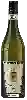
Winery SalvanoBarbera Piemonte Frizzante
 Sparkling wine


This wine generally goes well with pork, poultry or mild and soft cheese.

Wine flavors and olphactive analysis

Food and wine pairings with Barbera Piemonte Frizzante
Pairings that work perfectly with Barbera Piemonte Frizzante



Original food and wine pairings with Barbera Piemonte Frizzante

The Barbera Piemonte Frizzante of Winery Salvano matches generally quite well with dishes of pork, spicy food or poultry such as recipes of flamenkuche express, coconut chicken curry in thermomix or pad thai.
Details and technical informations about Winery Salvano's Barbera Piemonte Frizzante.
Discover the grape variety: Charmont
Aromatic, structured dry whites with a pale golden robe, an ample palate and preserved acidity of refined white flowers (acacia, hawthorn), yellow fruits (peach, pear), citrus and mineral notes. An elegant profile between chasselas and chardonnay. Grown in French-speaking Switzerland for modern cuvées and identity blends. Swiss grape created in 1965 at Pully by André Jaquinet (chasselas × chardonnay).
Last vintages of this wine

The best vintages of Barbera Piemonte Frizzante from Winery Salvano are 2015, 2013, 0
Informations about the Winery Salvano
The Winery Salvano is one of of the world's great estates. It offers 80 wines for sale in the of Piedmont to come and discover on site or to buy online.

The wine region of Piedmont
Kingdom of Nebbiolo: Barolo and Barbaresco DOCG, long-ageing reds with firm tannins and lively acidity, complex aromas of withered rose, sour cherry, tar, truffle and undergrowth. More accessible, tangy Barbera on red fruit, supple, crisp Dolcetto. Sweet, floral sparkling Moscato d'Asti, mineral, lemony Gavi (Cortese) white, round, almondy Arneis from Roero. 50,000 ha across the Langhe, Roero and Monferrato, UNESCO.
The word of the wine: Passerillage
Concentration of the grape by drying out, under the influence of wind or sun, as opposed to botrytisation, which is the concentration obtained by the development of the "noble rot" for which Botrytis cinerea is responsible. The word is mainly used for sweet wines.