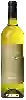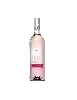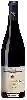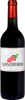
Winery Sainte AnnaSaint-Chinian
 Red wine
This wine generally goes well with beef, veal or pasta.
Food and wine pairings with Saint-Chinian
Pairings that work perfectly with Saint-Chinian



Original food and wine pairings with Saint-Chinian
The Saint-Chinian of Winery Sainte Anna matches generally quite well with dishes of beef, pasta or veal such as recipes of fast and, homemade italian lasagna or simple veal sauté.
Details and technical informations about Winery Sainte Anna's Saint-Chinian.
Discover the grape variety: Perle de Csaba
It is thought to have originated in Hungary, as Adolf Stark, a winegrower in Bekescsaba (Hungary), created it in 1904. According to genetic analyses, it is the result of a cross between the Madeleine angevine and the Muscat fleur d'oranger. The Csaba pearl has been used to obtain a few crosses (the red Csaba pearl is an example), the aim always being to try to find new varieties with early maturity. Today, it is only found in ornamental gardens, interesting only for its great earliness. Its many defects mean that it is almost on the verge of extinction, although it is included in the official catalogue of vine varieties on the A1 list.
Informations about the Winery Sainte Anna
The Winery Sainte Anna is one of of the world's greatest estates. It offers 2 wines for sale in the of Saint-Chinian to come and discover on site or to buy online.

The wine region of Saint-Chinian
Saint-Chinian is an appellation in the Languedoc-roussillon">Languedoc-Roussillon wine region of southern France. It is located between Minervois and Faugeres, which produce similar styles of robust red wine from similar grapes and in a similar landscape. It is also adjacent to the Muscat de Saint-Jean-de-Minervois appellation, which produces Sweet white wines. Therefore, the diversity of the Languedoc region is well demonstrated in this small area.
The wine region of Languedoc-Roussillon
Languedoc (formerly Coteaux du Languedoc) is a key appellation used in the Languedoc-Roussillon wine region of southern France. It covers Dry table wines of all three colors (red, white and rosé) from the entire region, but leaves Sweet and Sparkling wines to other more specialized appellations. About 75% of all Languedoc wines are red, with the remaining 25% split roughly down the middle between whites and rosés. The appellation covers most of the Languedoc region and almost a third of all the vineyards in France.
The word of the wine: Broker
In the past, he was a sort of fraud control agent who had to watch over the quality of merchant wines (he could carry a sword!). His function has evolved towards expertise (it was the brokers who established the famous 1855 classification in Bordeaux) and today he puts the producer in contact with the merchant.