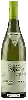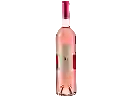
Château Saint-CyrguesLe Clos du Marin Gris
 Pink wine
This wine generally goes well with pork, poultry or rich fish (salmon, tuna etc).
Food and wine pairings with Le Clos du Marin Gris
Pairings that work perfectly with Le Clos du Marin Gris



Original food and wine pairings with Le Clos du Marin Gris

The Le Clos du Marin Gris of Château Saint-Cyrgues matches generally quite well with dishes of pork, rich fish (salmon, tuna etc) or shellfish such as recipes of magic cake cheese quiche, pasta gratin or blanquette of monkfish and scallops.
Details and technical informations about Château Saint-Cyrgues's Le Clos du Marin Gris.
Discover the grape variety: Semidano
Cultivated for a very long time in Sardinia (Italy) where it occupied an important place before the phylloxera crisis... it is almost unknown in France.
Informations about the Château Saint-Cyrgues
The Château Saint-Cyrgues is one of wineries to follow in Rhône méridional.. It offers 33 wines for sale in the of Rhône méridional to come and discover on site or to buy online.

The wine region of Rhône méridional
Côtes du Rhône is a regional appellation in the Rhône Valley in eastern France. It applies to red, rosé and white wines, and includes more than 170 villages. The area follows the course of the Rhône southward for 125 miles (200 km) from Saint-Cyr-sur-le-Rhône to Avignon. A small portion of the wines in the appellation are white wines.
The wine region of Rhone Valley
The Rhone Valley is a key wine-producing region in Southeastern France. It follows the North-south course of the Rhône for nearly 240 km, from Lyon to the Rhône delta (Bouches-du-Rhône), near the Mediterranean coast. The Length of the valley means that Rhône wines are the product of a wide variety of soil types and mesoclimates. The viticultural areas of the region cover such a distance that there is a widely accepted division between its northern and southern parts.
The word of the wine: Maturing (champagne)
After riddling, the bottles are stored on "point", upside down, with the neck of one bottle in the bottom of the other. The duration of this maturation is very important: in contact with the dead yeasts, the wine takes on subtle aromas and gains in roundness and fatness. A brut without year must remain at least 15 months in the cellar after bottling, a vintage 36 months.