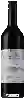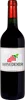
Winery Sainsbury'sWinemaker's Selection Cabernet - Shiraz
 Red wine


This wine generally goes well with poultry, beef or lamb.

Food and wine pairings with Winemaker's Selection Cabernet - Shiraz
Pairings that work perfectly with Winemaker's Selection Cabernet - Shiraz



Original food and wine pairings with Winemaker's Selection Cabernet - Shiraz
The Winemaker's Selection Cabernet - Shiraz of Winery Sainsbury's matches generally quite well with dishes of beef, lamb or poultry such as recipes of baeckeoffe, leg of lamb bravado in the oven or fricadella.
Details and technical informations about Winery Sainsbury's's Winemaker's Selection Cabernet - Shiraz.
Discover the grape variety: Cabernet-Sauvignon
Structured, tannic reds, deeply coloured, with aromas of blackcurrant, blackberry, cedar, tobacco and graphite, underpinned by firm acidity and fine ageing potential. Cornerstone of the great Médoc estates (Pauillac, Saint-Estèphe, Saint-Julien) and signature of Napa Valley, Coonawarra and Maipo. The world's most planted red variety, a natural cross of Cabernet Franc x Sauvignon Blanc born in Bordeaux.
Last vintages of this wine
The best vintages of Winemaker's Selection Cabernet - Shiraz from Winery Sainsbury's are 2013, 0
Informations about the Winery Sainsbury's
The Winery Sainsbury's is one of wineries to follow in Australie du Sud-Est.. It offers 276 wines for sale in the of Australie du Sud-Est to come and discover on site or to buy online.

The wine region of Australie du Sud-Est
Macro blending zone covering the southern half of the country (NSW, Victoria, Tasmania, parts of SA and QLD). Accessible, vintage-consistent brand wines: supple fruity Shiraz (blackberry, sweet spice), round Cabernet Sauvignon, gourmet Merlot, opulent Chardonnay (yellow fruit, vanilla), lively Sauvignon Blanc, lemony Sémillon. Status created for export and major international brands. From aperitif to everyday, an affordable, fruity expression of the Australian style.
The word of the wine: Maceration
Prolonged contact and exchange between the juice and the grape solids, especially the skin. Not to be confused with the time of fermentation, which follows maceration. The juice becomes loaded with colouring matter and tannins, and acquires aromas. For a rosé, the maceration is short so that the colour does not "rise" too much. For white wines too, a "pellicular maceration" can be practised, which allows the wine to acquire more fat.