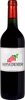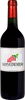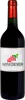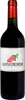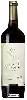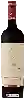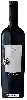
Winery SafariReserve Andean Red
 Red wine
This wine generally goes well with
Details and technical informations about Winery Safari's Reserve Andean Red.
Discover the grape variety: Calabre blanc
This is a very old grape variety, most certainly of Italian origin, not to be confused with other grape varieties with the name or synonym Calabria. Writings sometimes mention a white calabre resulting from an intraspecific crossing between bicane and muscat à petits grains blancs, although we are not sure that it is the same variety described here. You will note below that the leaf is very similar to that of the muscat à petits grains, to be continued. It can still be found in Italy, Hungary, Romania, Czech Republic, Germany, Ukraine, ... in France it is almost unknown.
Informations about the Winery Safari
The Winery Safari is one of of the world's greatest estates. It offers 10 wines for sale in the of Curico Valley to come and discover on site or to buy online.

The wine region of Curico Valley
Curicó Valley is a wine-producing region in CentralChile, located roughly 115 miles (185km) South of the Chilean capital, Santiago. It is divided into two sub-regions: Teno in the North and Lontue Valley in the south. The Curicó is known for its reliable, good value everyday wines, Particularly the reds made from Cabernet Sauvignon and whites from Sauvignon Blanc and Chardonnay. Curicó's vineyards are planted with more varieties than anywhere else in Chile.
The wine region of Central Valley
The Central Valley (El Valle Central) of Chile is one of the most important wine-producing areas in South America in terms of Volume. It is also one of the largest wine regions, stretching from the Maipo Valley (just south of Santiago) to the southern end of the Maule Valley. This is a distance of almost 250 miles (400km) and covers a number of Climate types. The Central Valley wine region is easily (and often) confused with the geological Central Valley, which runs north–south for more than 620 miles (1000km) between the Pacific Coastal Ranges and the lower Andes.
The word of the wine: Flavours
There are generally four so-called fundamental flavours: acidity, bitterness, sweetness and saltiness. The first three are considered to be the building blocks of the structure of wines. They are perceived by the taste buds that cover the surface of the tongue.