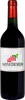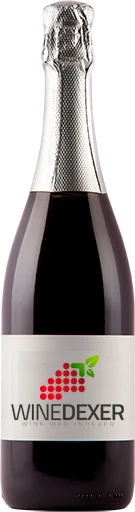
Winery SaccomaniOrtrugo Dei Colli Piacentini Frizzante
 Sparkling wine



This wine generally goes well with
The Ortrugo Dei Colli Piacentini Frizzante of the Winery Saccomani is in the top 5 of wines of Velletri.

Details and technical informations about Winery Saccomani's Ortrugo Dei Colli Piacentini Frizzante.
Discover the grape variety: Ansonica
Structured and full-bodied dry whites with a pale golden colour, broad palate and moderate acidity, with signature aromas of almond (hallmark), yellow fruit (pear, peach, apricot), white flowers and saline marine notes. A sunny Mediterranean profile. Pillar of dry Sicilian whites and traditional Marsala, also signing the Ansonica Costa dell'Argentario DOC in Tuscany and the island of Elba. An indigenous white variety from Sicily (known as Inzolia).
Last vintages of this wine
The best vintages of Ortrugo Dei Colli Piacentini Frizzante from Winery Saccomani are 0
Informations about the Winery Saccomani
The Winery Saccomani is one of of the world's greatest estates. It offers 8 wines for sale in the of Velletri to come and discover on site or to buy online.

The wine region of Velletri
Volcanic DOC (1972) of the Castelli Romani southeast of Rome (Velletri, Lariano). Malvasia (Candia and Puntinata, ≤70%) and Trebbiano — fresh and aromatic whites with white flowers, white fruits, almonds and a volcanic touch. Sangiovese, Montepulciano and Cesanese — full-bodied reds with intense notes of black cherry, blackberry, plum, spice and a balsamic-volcanic touch, rounded tannins. Ancestral festive Roman identity of the "Castelli wine".
The wine region of Lazio
Two-millennia Roman vineyard, predominantly white on the volcanic soils of the Castelli Romani. Frascati DOC as figurehead: fresh, accessible whites based on Malvasia and Trebbiano, notes of green apple, white flowers and almond, slightly bitter finish. Also Bellone and Grechetto. Emblematic red: Cesanese del Piglio DOCG, fleshy with notes of ripe cherry, dry herbs and spice, round tannins.
The word of the wine: Malolactic fermentation
Called second fermentation or malo for short. It is the degradation (under the effect of bacteria) of the malic acid naturally present in the wine into milder, less aggressive lactic acid. Some producers or wineries refuse this operation by "blocking the malo" (by cold and adding SO2) to keep a maximum of acidity which carries the aromas and accentuates the sensation of freshness.