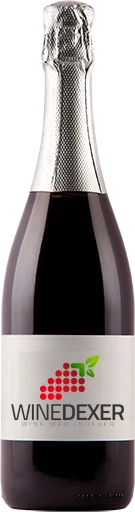
Winery SaccomaniGutturnio Vino Frizzante
 Sparkling wine


This wine generally goes well with
The Gutturnio Vino Frizzante of the Winery Saccomani is in the top 10 of wines of Velletri.
Details and technical informations about Winery Saccomani's Gutturnio Vino Frizzante.
Discover the grape variety: Trepat
A very old grape variety found mainly in Catalonia (Spain), in the regions of Conca de Barbera and Costers del Segre, and also in the Balearic Islands, Murcia, Valencia, etc. It is said to be related to the white heben and has no link with the white trepat of Priorat. Before the phylloxera crisis, it could be found in Languedoc and Roussillon, which is no longer the case today, but it could be interesting for producing excellent and original rosé wines.
Last vintages of this wine
The best vintages of Gutturnio Vino Frizzante from Winery Saccomani are 0
Informations about the Winery Saccomani
The Winery Saccomani is one of of the world's greatest estates. It offers 8 wines for sale in the of Velletri to come and discover on site or to buy online.

The wine region of Velletri
The wine region of Velletri is located in the region of Latium of Italy. Wineries and vineyards like the Domaine Veliterna Vini or the Domaine Piana dei Castelli produce mainly wines red and white. The most planted grape varieties in the region of Velletri are Sangiovese et Merlot, they are then used in wines in blends or as a single variety. On the nose of Velletri often reveals types of flavors of non oak, earth or oak and sometimes also flavors of microbio, vegetal or spices.
The wine region of Lazio
Lazio is a region in CentralItaly, where the ancient capital of Rome is located. The region's reputation is based primarily on its white wines, the main varieties of which are Trebbiano, Malvasia di Candia and Malvasia Puntinata. Traditionally, these wines were fat, Round, abboccato and intended for immediate consumption. Today, the styles are lighter, drier and crisper thanks to modern winemaking methods.
The word of the wine: Oxidation
Alteration of the wine caused by prolonged contact with oxygen and resulting in a coppery colour with brown reflections and the appearance of typical aromas reminiscent of rancid nuts.