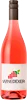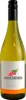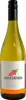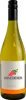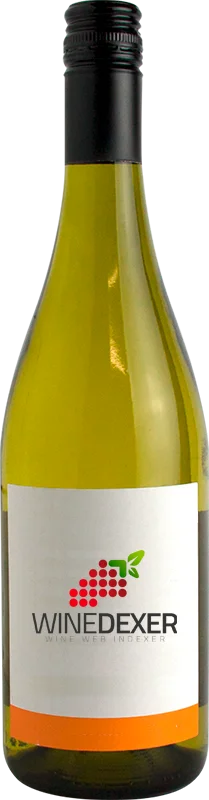
Winery SabataChardonnay Výběr Z Hroznů
 White wine


This wine generally goes well with pork, vegetarian or poultry.

Food and wine pairings with Chardonnay Výběr Z Hroznů
Pairings that work perfectly with Chardonnay Výběr Z Hroznů



Original food and wine pairings with Chardonnay Výběr Z Hroznů

The Chardonnay Výběr Z Hroznů of Winery Sabata matches generally quite well with dishes of pork, rich fish (salmon, tuna etc) or vegetarian such as recipes of stuffed artichoke, peppers stuffed with tuna and parmesan or ham and comté quiche.
Details and technical informations about Winery Sabata's Chardonnay Výběr Z Hroznů.
Discover the grape variety: Chardonnay
Whites with many faces: mineral and taut at Chablis (lemon, green apple, flint), opulent and buttery at Meursault and Puligny-Montrachet (hazelnut, brioche, yellow fruits), tense and chalky in Champagne (Blanc de Blancs). Also vinified sparkling and widely exported (Sonoma, Margaret River, Casablanca). A Burgundian variety, a cross of Pinot Noir × Gouais Blanc, half-sibling of Aligoté.
Last vintages of this wine
The best vintages of Chardonnay Výběr Z Hroznů from Winery Sabata are 0
Informations about the Winery Sabata
The Winery Sabata is one of of the world's greatest estates. It offers 21 wines for sale in the of Morava to come and discover on site or to buy online.

The wine region of Morava
Predominantly white region, lively and mineral: crisp, peppery Grüner Veltliner, taut Riesling with citrus, supple, floral Müller-Thurgau, aromatic Pálava, the local signature (muscat, white flowers). More discreet reds: spicy Frankovka (Blaufränkisch) with black fruits, fine, silky Saint Laurent. Temperate continental climate, 4 sub-regions: Mikulov, Velké Pavlovice, Znojmo, Slovácko. ~96% of the Czech vineyard, 73 grapes grown.
The word of the wine: Performance
Quantity of grapes harvested per hectare. In AOC, the average yield is limited on the proposal of the appellation syndicate, validated by the Inao. The use of high-performance plant material (especially clones) and better control of vine diseases have increased yields. This is not without consequences on the quality of the wines (dilution) and on the state of the market (too much wine). We must not over-simplify: low yields are not synonymous with quality, and it is often in years with generous harvests that we find the greatest vintages (1982 and 1986 in Bordeaux, 1996 in Champagne, 1990 and 2005 in Burgundy...).