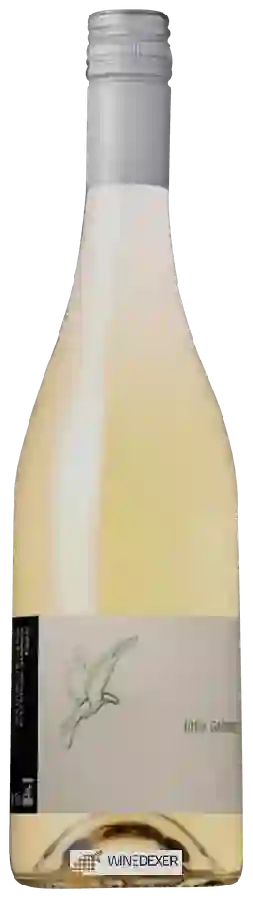
Domaine Rouge GaranceLittle Garance Blanc
 White wine


This wine generally goes well with beef and mature and hard cheese.

Food and wine pairings with Little Garance Blanc
Pairings that work perfectly with Little Garance Blanc


Original food and wine pairings with Little Garance Blanc
The Little Garance Blanc of Domaine Rouge Garance matches generally quite well with dishes of beef or mature and hard cheese such as recipes of couscous without couscous maker or ravioles from champsaur.
Details and technical informations about Domaine Rouge Garance's Little Garance Blanc.
Discover the grape variety: Vermentino
Nervy, saline whites with cutting acidity and enveloping richness, showing aromas of grapefruit, lime, pear, white flowers, fresh almond, fennel and marine iodine notes. Slightly bitter finish. Star of Sardinia (Vermentino di Gallura DOCG), Liguria, coastal Tuscany (Bolgheri) and Corsica. Also in Provence and Languedoc-Roussillon as Rolle. An autochthonous Mediterranean variety.
Informations about the Domaine Rouge Garance
The Domaine Rouge Garance is one of of the world's greatest estates. It offers 14 wines for sale in the of Vin de Pays to come and discover on site or to buy online.

The wine region of Vin de Pays
Intermediate category between AOC and Vin de France (renamed IGP in 2009), 27% of national volume. Accessible, expressive wines defined by their grape: opulent Chardonnay, lively Sauvignon, round Merlot, peppery Syrah, floral Viognier with apricot. 76 IGP in France at 3 scales: regional (Pays d'Oc, Méditerranée, Val de Loire), departmental or local. Flexible rules, wide range of permitted grapes, free grape and vintage labelling.
The wine region of Pays d'Oc
The single-grape IGP par excellence: modern, accessible, frank and fruity wines, the popular signature of the Midi. Spicy Syrah reds (pepper, blackberry), round Merlot, structured Cabernet, generous Grenache, supple Cinsault. Crisp, tangy rosés. Opulent Chardonnay whites, lively Sauvignon, floral, apricoty Viognier.
The word of the wine: Disgorging (champagne)
This is the evacuation of the deposit formed by the yeasts during the second fermentation in the bottle, by opening the bottle. The missing volume is completed with the liqueur de dosage - a mixture of wine and cane sugar - before the final cork is placed. For some years now, some producers have been replacing this sugar with rectified concentrated musts (concentrated grape juice) which give excellent results. A too recent dosage (less than three months) harms the gustatory harmony of the champagne.