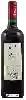
Domaine de RoudèneFlorine Fitou
 Red wine
This wine generally goes well with beef, veal or pasta.

Food and wine pairings with Florine Fitou
Pairings that work perfectly with Florine Fitou



Original food and wine pairings with Florine Fitou
The Florine Fitou of Domaine de Roudène matches generally quite well with dishes of beef, pasta or veal such as recipes of pastasciutta (corsica), lasagne simplissimo or home-made coq au vin.
Details and technical informations about Domaine de Roudène's Florine Fitou.
Discover the grape variety: Schioppettino
Structured, elegant reds with a deep ruby robe, firm tannins and lively acidity. Intense aromas of black cherry, blackberry, black pepper, spices, violet and balsamic notes. Dense palate, fine ageing potential. Nearly extinct, it was saved in the 1970s by the winemakers of Prepotto and is the signature of Colli Orientali del Friuli DOC and Friuli Colli Orientali Schioppettino di Prepotto DOC. Native Friulian variety; its name evokes the crackling (schioppettino) on the palate.
Informations about the Domaine de Roudène
The Domaine de Roudène is one of of the world's greatest estates. It offers 9 wines for sale in the of Fitou to come and discover on site or to buy online.

The wine region of Fitou
Languedoc's 1st red AOC (1948), realm of Carignan on 2 separated entities (maritime Leucate lagoon, mountainous Mont Tauch). Signature powerful structured reds with notes of black cherry, blackberry, garrigue, liquorice, pepper and schistous mineral touch, firm tannins and warm mouth — sunny ageing wines (5-15 years). Grenache brings finesse and fruit, Syrah spice, Mourvèdre depth. Schist and limestone soils over ~2,500 ha.
The wine region of Languedoc-Roussillon
Largest single French vineyard, dominated by sunny, generous reds. Spicy Syrah, candied Grenache (ripe fruit, garrigue), structured Carignan, deep Mourvèdre, supple Cinsault. Stars: structured Corbières, Minervois, Faugères, Saint-Chinian; round Côtes-du-Roussillon. Legendary vins doux naturels: Banyuls and Maury (fortified Grenache) with notes of cocoa, fig, prune.
The word of the wine: OIV
International Organisation of Vine and Wine. Intergovernmental organization studying the technical, scientific or economic questions raised by the culture of the vine and the production of wine.