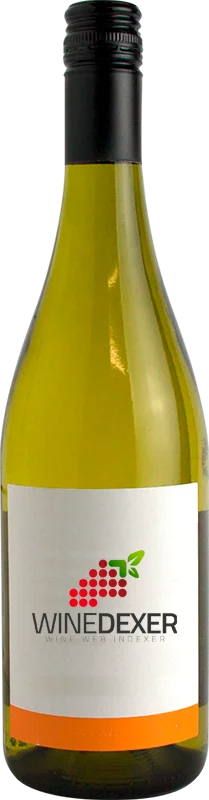
Winery RotenbergMenestrel Blanc de Merlot
 White wine


This wine generally goes well with beef and game (deer, venison).

Wine flavors and olphactive analysis


On the nose the Menestrel Blanc de Merlot of Winery Rotenberg in the region of Dealu Mare often reveals types of flavors of earth.
Food and wine pairings with Menestrel Blanc de Merlot
Pairings that work perfectly with Menestrel Blanc de Merlot


Original food and wine pairings with Menestrel Blanc de Merlot
The Menestrel Blanc de Merlot of Winery Rotenberg matches generally quite well with dishes of beef or game (deer, venison) such as recipes of fast and or duck breast in the oven.
Details and technical informations about Winery Rotenberg's Menestrel Blanc de Merlot.
Discover the grape variety: Merlot
Round and fleshy reds with a velvety texture, showing aromas of ripe plum, black cherry, cocoa and truffle notes with age. Supple tannins, generous alcohol, indulgent finish. Pillar of Libournais (Pomerol with Pétrus, Saint-Émilion with Cheval Blanc and Ausone) and signature of Super Tuscans, Italian Wales and Washington State. A cross of Cabernet Franc × Magdeleine Noire, France's most planted red variety.
Last vintages of this wine
The best vintages of Menestrel Blanc de Merlot from Winery Rotenberg are 2015, 0, 2014
Informations about the Winery Rotenberg
The Winery Rotenberg is one of of the world's greatest estates. It offers 12 wines for sale in the of Dealu Mare to come and discover on site or to buy online.

The wine region of Dealu Mare
Romania's most compact wine massif, south of the Carpathians on the 45th parallel (like Bordeaux). Signature Feteasca Neagra in red: a dense, structured Romanian native with signature notes of ripe plum, blackberry, violet, leather, tobacco and sweet spice, round tannins — a national identity. Also Bordeaux blends (firm Cabernet Sauvignon, supple Merlot) and fresh Pinot Noir. Peppery Syrah booming.
The word of the wine: Heida
See savagnin.