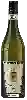
Winery Rossi GabrieleOracolo Piemonte Grignolino
 Red wine
In the mouth this red wine is a powerful.
This wine generally goes well with beef, game (deer, venison) or lamb.
Taste structure of the Oracolo Piemonte Grignolino from the Winery Rossi Gabriele
Light | Bold | |
Smooth | Tannic | |
Dry | Sweet | |
Soft | Acidic |
In the mouth the Oracolo Piemonte Grignolino of Winery Rossi Gabriele in the region of Piedmont is a powerful.
Food and wine pairings with Oracolo Piemonte Grignolino
Pairings that work perfectly with Oracolo Piemonte Grignolino



Original food and wine pairings with Oracolo Piemonte Grignolino

The Oracolo Piemonte Grignolino of Winery Rossi Gabriele matches generally quite well with dishes of beef, pasta or lamb such as recipes of couscous without couscous maker, lasagne bolognaise (mascarpone) or thomas's shoulder of lamb.
Details and technical informations about Winery Rossi Gabriele's Oracolo Piemonte Grignolino.
Discover the grape variety: Grignolino
Most certainly Italian, it is mainly cultivated in the region of Asti in Piedmont and very little known elsewhere in Italy.
Informations about the Winery Rossi Gabriele
The Winery Rossi Gabriele is one of of the world's greatest estates. It offers 11 wines for sale in the of Piedmont to come and discover on site or to buy online.

The wine region of Piedmont
Piedmont (Piemonte) holds an unrivalled place among the world's finest wine regions. Located in northwestern Italy, it is home to more DOCG wines than any other Italian region, including such well-known and respected names as Barolo, Barbaresco and Barbera d'Asti. Though famous for its Austere, Tannic, Floral">floral reds made from Nebbiolo, Piedmont's biggest success story in the past decade has been Moscato d'Asti, a Sweet, Sparkling white wine. Piedmont Lies, as its name suggests, at the foot of the Western Alps, which encircle its northern and western sides and form its naturally formidable border with Provence, France.
The word of the wine: Barrel
Unit of measure for the transport and marketing of bulk wines, corresponding to 4 barrels of 225 l, i.e. 900 l.