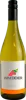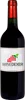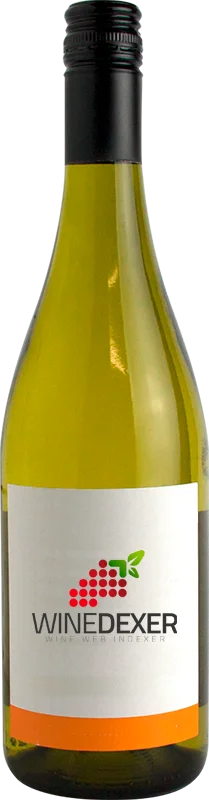
Winery Quinta da RomeiraVivere Vinum Branco
 White wine


In the mouth this white wine is a .
This wine generally goes well with pork, lean fish or shellfish.

Taste structure of the Vivere Vinum Branco from the Winery Quinta da Romeira
Light | Bold | |
Dry | Sweet | |
Soft | Acidic |
In the mouth the Vivere Vinum Branco of Winery Quinta da Romeira in the region of Lisboa is a .
Food and wine pairings with Vivere Vinum Branco
Pairings that work perfectly with Vivere Vinum Branco



Original food and wine pairings with Vivere Vinum Branco

The Vivere Vinum Branco of Winery Quinta da Romeira matches generally quite well with dishes of pasta, pork or shellfish such as recipes of simple chinese noodle soup, cassoulet or lamb with okra sauce.
Details and technical informations about Winery Quinta da Romeira's Vivere Vinum Branco.
Discover the grape variety: Chardonnay
Whites with many faces: mineral and taut at Chablis (lemon, green apple, flint), opulent and buttery at Meursault and Puligny-Montrachet (hazelnut, brioche, yellow fruits), tense and chalky in Champagne (Blanc de Blancs). Also vinified sparkling and widely exported (Sonoma, Margaret River, Casablanca). A Burgundian variety, a cross of Pinot Noir × Gouais Blanc, half-sibling of Aligoté.
Last vintages of this wine

The best vintages of Vivere Vinum Branco from Winery Quinta da Romeira are 2017, 2015, 0, 2014 and 2013.
Informations about the Winery Quinta da Romeira
The Winery Quinta da Romeira is one of of the world's great estates. It offers 19 wines for sale in the of Lisboa to come and discover on site or to buy online.

The wine region of Lisboa
Vast coastal IGP north of Lisbon, Portugal's largest producer by volume. Accessible, sun-filled reds: fruity, spicy Castelão, dense Touriga Nacional (black fruit, violet), fleshy Trincadeira, deep Alicante Bouschet. Fresh, mineral whites: straight, lemony Arinto (star of Bucelas), aromatic Fernão Pires, round Vital and Malvasia. Structured reds from Alenquer, sparkling at Óbidos.
The word of the wine: Disgorging (champagne)
This is the evacuation of the deposit formed by the yeasts during the second fermentation in the bottle, by opening the bottle. The missing volume is completed with the liqueur de dosage - a mixture of wine and cane sugar - before the final cork is placed. For some years now, some producers have been replacing this sugar with rectified concentrated musts (concentrated grape juice) which give excellent results. A too recent dosage (less than three months) harms the gustatory harmony of the champagne.