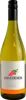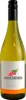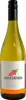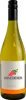
Winery Rodinné Vinařství Pavel BinderNatur Veltlínské Zelené
 White wine



This wine generally goes well with pork, vegetarian or lean fish.

Food and wine pairings with Natur Veltlínské Zelené
Pairings that work perfectly with Natur Veltlínské Zelené



Original food and wine pairings with Natur Veltlínské Zelené



The Natur Veltlínské Zelené of Winery Rodinné Vinařství Pavel Binder matches generally quite well with dishes of pork, rich fish (salmon, tuna etc) or shellfish such as recipes of pan-fried carrots, tuna sandwich or sauerkraut of the sea in casserole.
Details and technical informations about Winery Rodinné Vinařství Pavel Binder's Natur Veltlínské Zelené.
Discover the grape variety: Alicante
Intensely colored reds with a deep red pulp, deep purple robe, supple tannins and an ample palate with moderate acidity, showing red and black fruit aromas and southern notes. Grown in Languedoc-Roussillon, Spain, Algeria and California, used primarily to intensify the color of southern blends and in entry-level cuvées. Black French teinturier variety obtained in 1866 by Henri Bouschet (petit bouschet × grenache).
Last vintages of this wine
The best vintages of Natur Veltlínské Zelené from Winery Rodinné Vinařství Pavel Binder are 0
Informations about the Winery Rodinné Vinařství Pavel Binder
The Winery Rodinné Vinařství Pavel Binder is one of of the world's great estates. It offers 29 wines for sale in the of Morava to come and discover on site or to buy online.

The wine region of Morava
Predominantly white region, lively and mineral: crisp, peppery Grüner Veltliner, taut Riesling with citrus, supple, floral Müller-Thurgau, aromatic Pálava, the local signature (muscat, white flowers). More discreet reds: spicy Frankovka (Blaufränkisch) with black fruits, fine, silky Saint Laurent. Temperate continental climate, 4 sub-regions: Mikulov, Velké Pavlovice, Znojmo, Slovácko. ~96% of the Czech vineyard, 73 grapes grown.
The word of the wine: Film maceration
A technique that consists of leaving the grapes to macerate in the open air at a low temperature before fermentation, thus enhancing the aromatic expression of the wine.