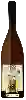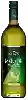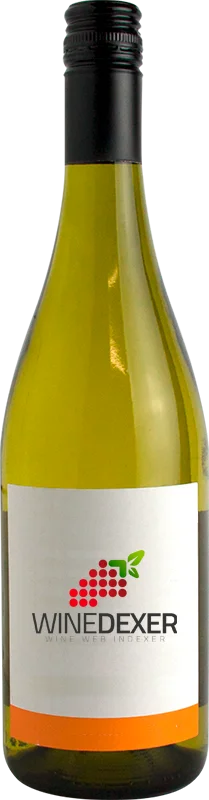
Winery RodicaSelection Malvazija
 White wine


This wine generally goes well with

Wine flavors and olphactive analysis


On the nose the Selection Malvazija of Winery Rodica in the region of Primorje often reveals types of flavors of earth, microbio or tree fruit.
Details and technical informations about Winery Rodica's Selection Malvazija.
Discover the grape variety: Petit brun
Deeply coloured and structured reds with a dark ruby colour, firm tannins and a full palate with preserved acidity, featuring signature aromas of black fruits (blackberry, blackcurrant) and southern spices (garrigue, pepper). Distinctive Aveyron identity. Now rare, preserved for its heritage value; it survives in a few Aveyron plots and belongs to the ancient South-West varieties under study. Indigenous French black variety from the South-West, grown in Aveyron.
Last vintages of this wine
The best vintages of Selection Malvazija from Winery Rodica are 0
Informations about the Winery Rodica
The Winery Rodica is one of of the world's greatest estates. It offers 20 wines for sale in the of Istra to come and discover on site or to buy online.

The wine region of Istra
Adriatic peninsula shared between Croatia (90%), Slovenia and Italy. Mild Mediterranean climate, terra rossa on the coast. Malvazija Istarska signature white king (~60%, native): dry and fresh with citrus, white apple, white flowers, herbs, almond and saline mineral touch. Teran red star (Refosco family): deep robe, vivid acidity with blackberry, plum, black cherry, herbs and iron, firm tannins.
The wine region of Primorje
Coastal region of western Slovenia, the country's most qualitative, bordering Italy. Signature elegant whites and orange wines. Star Rebula (Ribolla Gialla) with signature notes of pear, citrus, white flowers, fresh almond and a mineral touch, taut and long palate — often in long maceration (orange) with dried fruits and black tea notes. Native Refošk as dense, lively red (black cherry, iron).
The word of the wine: Phylloxera
Aphid that came from America and ravaged European vineyards at the end of the 19th century. It lives on the roots of the vine, from which it pumps the sap. The only vines capable of resisting it had to be imported from the United States, and then grafted onto their root system the wood of traditional French grape varieties. Today, grafted vines are always planted.