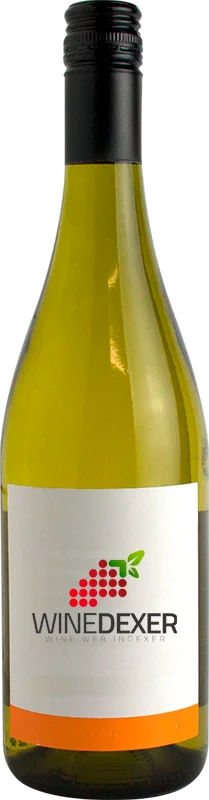
Winery RodicaKlasika Malvazija
 White wine


This wine generally goes well with

Details and technical informations about Winery Rodica's Klasika Malvazija.
Discover the grape variety: Mariensteiner
Aromatic and refined whites, pale golden colour, fresh mouth with preserved acidity, with signature aromas of white flowers, citrus (lemon), green apple and calcareous mineral notes. Grown in very small quantities in Franconia, valued for dry wines on limestone soils. German white cross bred in 1928 in Würzburg (Silvaner x Rieslaner), late-ripening.
Last vintages of this wine
The best vintages of Klasika Malvazija from Winery Rodica are 0, 2017
Informations about the Winery Rodica
The Winery Rodica is one of of the world's great estates. It offers 20 wines for sale in the of Istra to come and discover on site or to buy online.

The wine region of Istra
Adriatic peninsula shared between Croatia (90%), Slovenia and Italy. Mild Mediterranean climate, terra rossa on the coast. Malvazija Istarska signature white king (~60%, native): dry and fresh with citrus, white apple, white flowers, herbs, almond and saline mineral touch. Teran red star (Refosco family): deep robe, vivid acidity with blackberry, plum, black cherry, herbs and iron, firm tannins.
The wine region of Primorje
Coastal region of western Slovenia, the country's most qualitative, bordering Italy. Signature elegant whites and orange wines. Star Rebula (Ribolla Gialla) with signature notes of pear, citrus, white flowers, fresh almond and a mineral touch, taut and long palate — often in long maceration (orange) with dried fruits and black tea notes. Native Refošk as dense, lively red (black cherry, iron).
The word of the wine: Wine vinegar
Product of acetic fermentation of wine.