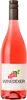
Winery RocambolescoRosso
 Red wine


This wine generally goes well with rich fish (salmon, tuna etc), shellfish or mild and soft cheese.
Wine flavors and olphactive analysis


On the nose the Rosso of Winery Rocambolesco in the region of Vino da Tavola often reveals types of flavors of non oak, earth or oak and sometimes also flavors of red fruit.
Food and wine pairings with Rosso
Pairings that work perfectly with Rosso



Original food and wine pairings with Rosso
The Rosso of Winery Rocambolesco matches generally quite well with dishes of rich fish (salmon, tuna etc), shellfish or mild and soft cheese such as recipes of peppers stuffed with tuna and parmesan, monkfish tail with coconut milk and curry or eggplant and zucchini pie with cumin.
Details and technical informations about Winery Rocambolesco's Rosso.
Discover the grape variety: Corvina
Its precise origin is unknown, it has been cultivated for a very long time in northern Italy. It can be found in Switzerland, Australia, Argentina, ... in France it is almost unknown. It should not be confused with the Corvinone, another Italian grape variety. It should be noted that the Corvina is related to the Rondinella and the Refosco dal Peduncolo rosso.
Last vintages of this wine
The best vintages of Rosso from Winery Rocambolesco are 2015, 0
Informations about the Winery Rocambolesco
The Winery Rocambolesco is one of of the world's greatest estates. It offers 2 wines for sale in the of Vino da Tavola to come and discover on site or to buy online.

The wine region of Vino da Tavola
Vino da Tavola was the most basic classification of Italian wines. It is now renamed simply "Vino" and appears on labels as Vino d'Italia. The original name literally means "table wine" as opposed to premium wines from specific geographical locations (see EU wine label). In May 2011, the first legal steps were taken to abolish the Vino da Tavola category, in favor of a New classification of wines called simply Vino.
The word of the wine: Ugni blanc
White grape variety of Italian origin, and the main white variety grown in France. Its large bunches give fine, light and lively wines, suitable for distillation: today it is the main variety for making cognac and armagnac. Ugni blanc, which is a little richer in alcohol when grown in Mediterranean regions, is used in the blending of the Provence and Corsica appellations, often in association with other grape varieties that bring aromas and structure, such as clairette, grenache blanc or sauvignon. Ugni blanc is also used, on a secondary basis, in the production of certain white wines in Gironde (AOC Bordeaux, Entre-deux-Mers, etc.).