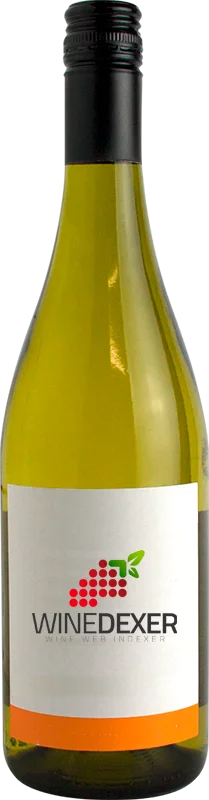
Château Roc de MinvielleCuvée les Tourelles Bordeaux Blanc Sauvignon
 White wine



In the mouth this white wine is a powerful.
This wine generally goes well with pork, vegetarian or poultry.
Taste structure of the Cuvée les Tourelles Bordeaux Blanc Sauvignon from the Château Roc de Minvielle
Light | Bold | |
Dry | Sweet | |
Soft | Acidic |
In the mouth the Cuvée les Tourelles Bordeaux Blanc Sauvignon of Château Roc de Minvielle in the region of Bordeaux is a powerful.
Food and wine pairings with Cuvée les Tourelles Bordeaux Blanc Sauvignon
Pairings that work perfectly with Cuvée les Tourelles Bordeaux Blanc Sauvignon



Original food and wine pairings with Cuvée les Tourelles Bordeaux Blanc Sauvignon


The Cuvée les Tourelles Bordeaux Blanc Sauvignon of Château Roc de Minvielle matches generally quite well with dishes of pork, vegetarian or poultry such as recipes of croziflette, summer tuna quiche or breton galette with buckwheat flour.
Details and technical informations about Château Roc de Minvielle's Cuvée les Tourelles Bordeaux Blanc Sauvignon.
Discover the grape variety: Palieri
This variety was obtained in 1958 in Velletri (Italy) by Michèle Palieri by crossing Alphonse Lavallée and molinera gorda or red malaga. Because of its great vigour, it is ideal for creating a trellis or a pergola. Little known in France, it can be found in Italy, Spain, Portugal, Morocco, etc.
Informations about the Château Roc de Minvielle
The Château Roc de Minvielle is one of of the world's greatest estates. It offers 13 wines for sale in the of Bordeaux to come and discover on site or to buy online.

The wine region of Bordeaux
Bordeaux, in southwestern France, is one of the most famous, prestigious and prolific wine regions in the world. The majority of Bordeaux wines (nearly 90% of the production Volume) are the Dry, medium and Full-bodied red Bordeaux blends for which it is famous. The finest (and most expensive) are the wines of the great châteaux of Haut-Médoc and the right bank appellations of Saint-Émilion and Pomerol. The former focuses (at the highest level) on Cabernet Sauvignon, the latter on Merlot.
The word of the wine: Hautain (en)
Pruning of the vine in height.