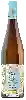
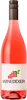
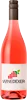
Winery Robert WeilJunior Rosé Unique
 Pink wine


This wine generally goes well with vegetarian

Food and wine pairings with Junior Rosé Unique
Pairings that work perfectly with Junior Rosé Unique

Original food and wine pairings with Junior Rosé Unique
The Junior Rosé Unique of Winery Robert Weil matches generally quite well with dishes of vegetarian such as recipes of cream and tuna quiche.
Details and technical informations about Winery Robert Weil's Junior Rosé Unique.
Discover the grape variety: Malvasia bianca di Candia
Supple, aromatic whites to drink young, with a pale golden robe and an airy palate, with signature floral aromas (white flowers, rose), muscat notes, white-fleshed fruit and almond. Also as sparkling and passito sweet wines. Pillar of Frascati DOC and the white wines of Lazio, adding roundness and fragrance to blends. Malvasia variety originating from Crete (Candia), widely grown in central Italy.
Last vintages of this wine
The best vintages of Junior Rosé Unique from Winery Robert Weil are 2018, 0, 2017
Informations about the Winery Robert Weil
The Winery Robert Weil is one of of the world's great estates. It offers 76 wines for sale in the of Rheinhessen to come and discover on site or to buy online.

The wine region of Rheinhessen
71% white region: Riesling is king (5,000 ha), dry to off-dry, ripe yellow fruit, apple, citrus and fine saline minerality. Supple, floral Müller-Thurgau for everyday, the world's largest Silvaner plantation with herbaceous, straight notes. Historic cradle of off-sweet Liebfraumilch. Some supple reds (Dornfelder, Spätburgunder).
The word of the wine: Stripped
Said of a wine that is generally too old and has lost its colour, volume and power.