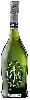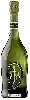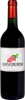
Winery Robert J. MurTinto
 Red wine


In the mouth this red wine is a powerful with a nice balance between acidity and tannins.
This wine generally goes well with poultry, beef or veal.

Taste structure of the Tinto from the Winery Robert J. Mur
Light | Bold | |
Smooth | Tannic | |
Dry | Sweet | |
Soft | Acidic |
In the mouth the Tinto of Winery Robert J. Mur in the region of Catalogne is a powerful with a nice balance between acidity and tannins.


Food and wine pairings with Tinto
Pairings that work perfectly with Tinto



Original food and wine pairings with Tinto

The Tinto of Winery Robert J. Mur matches generally quite well with dishes of beef, pasta or veal such as recipes of pot-au-feu, spaghetti with beef balls or caramelized lamb mice.
Details and technical informations about Winery Robert J. Mur's Tinto.
Discover the grape variety: Muscat de Roussé
Light and aromatic reds with a clear ruby hue, smooth tannins and an airy palate with preserved acidity, featuring discreet Muscat aromas (rose, fresh grape) and red fruits. Delicate rustic profile. Almost extinct, preserved in INRAE variety collections for its heritage value, it belongs to the family of ancient Muscats studied for their genetic interest. Rare French black variety, a Muscat variation.
Last vintages of this wine
The best vintages of Tinto from Winery Robert J. Mur are 0
Informations about the Winery Robert J. Mur
The Winery Robert J. Mur is one of of the world's greatest estates. It offers 9 wines for sale in the of Catalogne to come and discover on site or to buy online.

The wine region of Catalogne
Cradle of Cava (~95% of Spanish output, traditional method): Macabeo, Xarel-lo, Parellada trilogy, fine fruity bubble. Quality peak in Priorat DOCa: dense, mineral reds on llicorella (schist), old-vine Garnacha and Cariñena with black fruit, garrigue notes, firm tannins. Also Penedès, fleshy Montsant, sunny Empordà, Costers del Segre. Mediterranean.
The word of the wine: Sulphating
Treatment, formerly practiced with copper sulfate, applied to the vine to prevent cryptogamic diseases.