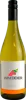
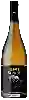
Winery RideauBon Temps White
 White wine



In the mouth this white wine is a powerful.
This wine generally goes well with pork, poultry or shellfish.

Taste structure of the Bon Temps White from the Winery Rideau
Light | Bold | |
Dry | Sweet | |
Soft | Acidic |
In the mouth the Bon Temps White of Winery Rideau in the region of California is a powerful.


Food and wine pairings with Bon Temps White
Pairings that work perfectly with Bon Temps White



Original food and wine pairings with Bon Temps White

The Bon Temps White of Winery Rideau matches generally quite well with dishes of pasta, pork or shellfish such as recipes of ham and cheese macaroni gratin, the secrets of croque-monsieur or blanquette of monkfish and scallops.
Details and technical informations about Winery Rideau's Bon Temps White.
Discover the grape variety: Klevener de Heiligenstein
Aromatic, refined dry whites with a pale golden colour, a full palate and preserved acidity, showing signature aromas of discreet muscat notes (rose), white flowers, white-fleshed fruits (pear) and delicate spicy notes. A distinctive aromatic profile, more restrained than Gewurztraminer. Preserved under a specific Alsatian appellation around Heiligenstein (Bas-Rhin), producing identity-driven wines. Rare Alsatian white variety, identical to the Jurassian Savagnin Rose.
Last vintages of this wine
The best vintages of Bon Temps White from Winery Rideau are 0
Informations about the Winery Rideau
The Winery Rideau is one of of the world's great estates. It offers 61 wines for sale in the of California to come and discover on site or to buy online.

The wine region of California
Powerful, sunny reds: dense Napa Cabernet Sauvignon (blackcurrant, chocolate, tobacco, ample tannins), spicy, jammy Zinfandel from the Sierra Foothills, silky red-fruited Pinot Noir on the cool coast (Sonoma, Russian River, Central Coast). Opulent, buttery Chardonnay, notes of yellow fruit and vanilla. Varied climate, from the hot interior to the Pacific-cooled coast. 80% of US production, 139 AVAs including Napa (1st AVA, 1981).
The word of the wine: Decanting
Decanting, an operation performed by a sommelier with a decanter to separate the clear wine from the solid parts in a bottle.