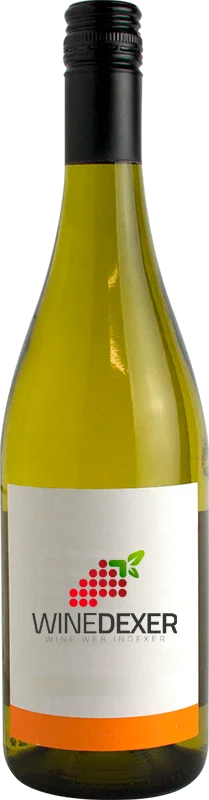
Winery Ricardelle de LautrecSauvignon
 White wine



In the mouth this white wine is a .
This wine generally goes well with vegetarian, poultry or lean fish.

Taste structure of the Sauvignon from the Winery Ricardelle de Lautrec
Light | Bold | |
Dry | Sweet | |
Soft | Acidic |
In the mouth the Sauvignon of Winery Ricardelle de Lautrec in the region of Pays d'Oc is a .
Food and wine pairings with Sauvignon
Pairings that work perfectly with Sauvignon



Original food and wine pairings with Sauvignon


The Sauvignon of Winery Ricardelle de Lautrec matches generally quite well with dishes of pasta, vegetarian or poultry such as recipes of soy and shrimp noodles, cream and tuna quiche or chicken ballotine with ham and mushrooms.
Details and technical informations about Winery Ricardelle de Lautrec's Sauvignon.
Discover the grape variety: Schuyler
Fruity reds with a characteristic foxy flavour, a sustained ruby robe, supple tannins and a light palate with moderate acidity, featuring aromas of red fruits (cherry, raspberry) and typical Labrusca notes (wild strawberry). Early-ripening and cold-hardy. Grown in the north-eastern United States (New York) and Canada (Ontario) for simple wines and fresh consumption. American black hybrid variety obtained in 1947 by Cornell University.
Last vintages of this wine
The best vintages of Sauvignon from Winery Ricardelle de Lautrec are 2015, 2018
Informations about the Winery Ricardelle de Lautrec
The Winery Ricardelle de Lautrec is one of of the world's greatest estates. It offers 30 wines for sale in the of Pays d'Oc to come and discover on site or to buy online.

The wine region of Pays d'Oc
The single-grape IGP par excellence: modern, accessible, frank and fruity wines, the popular signature of the Midi. Spicy Syrah reds (pepper, blackberry), round Merlot, structured Cabernet, generous Grenache, supple Cinsault. Crisp, tangy rosés. Opulent Chardonnay whites, lively Sauvignon, floral, apricoty Viognier.
The word of the wine: Sorting
Action which consists in removing the bad grains, not ripe or affected by the rot. We often use vibrating sorting tables which, by shaking, make the impurities fall to the ground. In the case of sweet wines, we speak of harvesting by successive selections, in several passages, to select the very ripe grapes each time.


