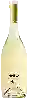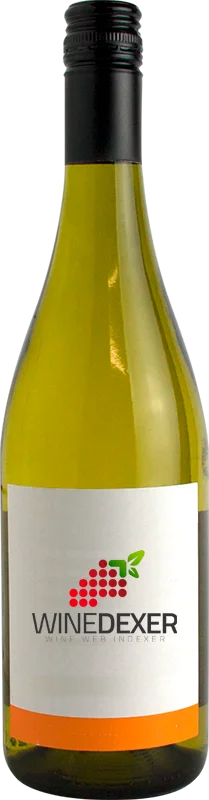
Winery ReveroPardina - Chardonnay
 White wine


This wine generally goes well with pork, vegetarian or poultry.

Food and wine pairings with Pardina - Chardonnay
Pairings that work perfectly with Pardina - Chardonnay



Original food and wine pairings with Pardina - Chardonnay

The Pardina - Chardonnay of Winery Revero matches generally quite well with dishes of pork, rich fish (salmon, tuna etc) or vegetarian such as recipes of pork colombo, tuna brick (light) or vegan leek and tofu quiche.
Details and technical informations about Winery Revero's Pardina - Chardonnay.
Discover the grape variety: Chardonnay
Whites with many faces: mineral and taut at Chablis (lemon, green apple, flint), opulent and buttery at Meursault and Puligny-Montrachet (hazelnut, brioche, yellow fruits), tense and chalky in Champagne (Blanc de Blancs). Also vinified sparkling and widely exported (Sonoma, Margaret River, Casablanca). A Burgundian variety, a cross of Pinot Noir × Gouais Blanc, half-sibling of Aligoté.
Last vintages of this wine

The best vintages of Pardina - Chardonnay from Winery Revero are 2017, 0, 2015
Informations about the Winery Revero
The Winery Revero is one of of the world's greatest estates. It offers 4 wines for sale in the of Estrémadure to come and discover on site or to buy online.

The wine region of Estrémadure
Autonomous community of western Spain, the 2nd largest national vineyard (~87,000 ha) with excellent value for money. Tempranillo signature in red: round and accessible with signature notes of ripe cherry, plum, soft vanilla, leather and a spicy touch, supple tannins. Sun-drenched Garnacha, colourful Bobal, firm Cabernet complete the line-up. Vivid Cayetana and Pardina whites (citrus, flowers).
The word of the wine: Red winemaking
Transformation of grapes into must and wine under the effect of alcoholic fermentation. The vinification of red wines takes place in several stages: destemming, crushing, alcoholic fermentation, vatting, running off and maturing.