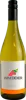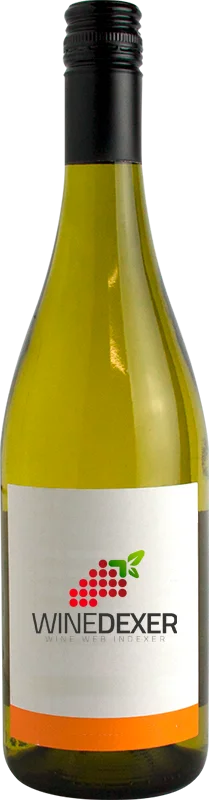
Winery Régence BalavaudPetite Arvine
 White wine


This wine generally goes well with

Details and technical informations about Winery Régence Balavaud's Petite Arvine.
Discover the grape variety: Tinta del Pais
Structured, elegant reds with a deep, dark ruby robe, firm tannins and a dense palate, with signature aromas of black fruits (blackberry, blackcurrant), plum, spices, tobacco, leather and balsamic notes. Monumental ageing potential, a defining continental high-altitude profile. Absolute star of Ribera del Duero DO (Vega Sicilia, Pingus), signing the great Castilian reds. Synonym of Tempranillo grown in Ribera del Duero, in Castile-León.
Informations about the Winery Régence Balavaud
The Winery Régence Balavaud is one of of the world's greatest estates. It offers 29 wines for sale in the of Vetroz to come and discover on site or to buy online.

The wine region of Vetroz
Swiss Valais Grand Cru commune since 1990, heart of the central vineyard. Amigne signature indigenous white (~70% of world production here, mentioned 1686): ample and structured with notes of candied mandarin, apricot, honey, linden, dried fruit and soft spices, from dry to luscious (bee system: 1=dry, 2=medium-sweet, 3=sweet). Floral sparkling Chasselas, saline and lively Petite Arvine, taut Heida in whites. Gamay and Pinot Noir in silky Alpine reds.
The wine region of Valais
Switzerland's largest vineyard, capital of native grapes. Straight, precise alpine whites: light, floral Chasselas (Fendant), signature Petite Arvine with saline, grapefruit and rhubarb notes, rich, apricoty Amigne, mineral Humagne Blanche. Altitude reds: fine Pinot Noir, crisp Gamay, native Cornalin and Humagne Rouge, spicy and deep. Highly precise alpine age-worthy wines.
The word of the wine: White winemaking
White wines are obtained by fermentation of the juice after pressing. A pre-fermentation maceration is sometimes practiced to extract the aromatic substances from the skins. White wines are normally made from white grapes, but can also be made from red grapes (blanc de noirs). The grapes are then pressed as soon as they arrive at the vat house without maceration in order to prevent the colouring matter contained in the skins from "staining" the wine.