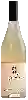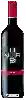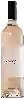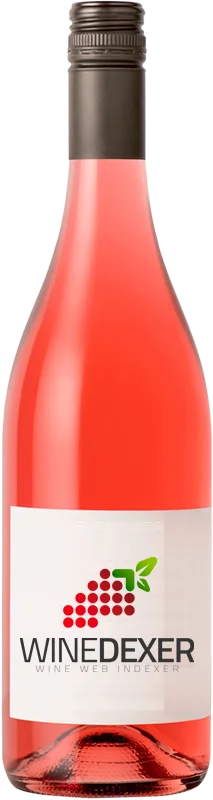
Winery RaphaelRosé of Pinot Noir
 Pink wine



This wine generally goes well with

Wine flavors and olphactive analysis



On the nose the Rosé of Pinot Noir of Winery Raphael in the region of New York often reveals types of flavors of oak, citrus fruit or red fruit.
Details and technical informations about Winery Raphael's Rosé of Pinot Noir.
Discover the grape variety: Poulsard
Very light and delicate reds with an almost translucent salmon-pale colour, fine tannins and fresh acidity, on subtle aromas of wild strawberry, redcurrant, cherry, dried flowers, sweet spices and earthy notes. Airy and thirst-quenching palate. Star of the light reds of Jura (Arbois AOC, Côtes du Jura AOC), notably on the marls of Pupillin where it is called Ploussard. Also in sparkling rosés (Crémant du Jura AOC). Native Jura variety.
Last vintages of this wine
The best vintages of Rosé of Pinot Noir from Winery Raphael are 0, 2018, 2017
Informations about the Winery Raphael
The Winery Raphael is one of of the world's great estates. It offers 30 wines for sale in the of New York to come and discover on site or to buy online.

The wine region of New York
America's 3rd wine state by volume, striking diversity. Finger Lakes the signature: cool-climate Riesling, dry to off-dry, mineral and lively with notes of lime, apple, evolving petrol and white flowers — a US benchmark. Warmer Long Island for peppery Cabernet Franc and supple Merlot. Hudson Valley (Seyval, Vidal).
The word of the wine: Musty (taste of)
A disgusting taste due to a defect in the grapes or, more commonly, a defect in the barrel.