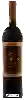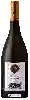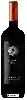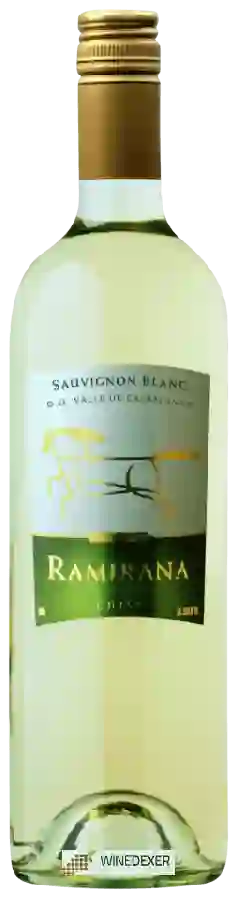
Winery RamiranaSauvignon Blanc
 White wine


In the mouth this white wine is a powerful with a nice freshness.
This wine generally goes well with vegetarian, shellfish or goat cheese.
Taste structure of the Sauvignon Blanc from the Winery Ramirana
Light | Bold | |
Dry | Sweet | |
Soft | Acidic |
In the mouth the Sauvignon Blanc of Winery Ramirana in the region of Central Valley is a powerful with a nice freshness.
Wine flavors and olphactive analysis

On the nose the Sauvignon Blanc of Winery Ramirana in the region of Central Valley often reveals types of flavors of citrus fruit.
Food and wine pairings with Sauvignon Blanc
Pairings that work perfectly with Sauvignon Blanc



Original food and wine pairings with Sauvignon Blanc
The Sauvignon Blanc of Winery Ramirana matches generally quite well with dishes of shellfish, vegetarian or goat cheese such as recipes of mie goreng, quiche without eggs or leek, carrot and goat cheese gratin.
Details and technical informations about Winery Ramirana's Sauvignon Blanc.
Discover the grape variety: Berdomenel
Spanish, present for a long time in the vineyard of Pamiers in Ariège. Today, it is no longer multiplied and is therefore in danger of extinction.
Last vintages of this wine
The best vintages of Sauvignon Blanc from Winery Ramirana are 2017, 2013, 2018, 2016 and 0.
Informations about the Winery Ramirana
The Winery Ramirana is one of of the world's great estates. It offers 20 wines for sale in the of Central Valley to come and discover on site or to buy online.

The wine region of Central Valley
The Central Valley (El Valle Central) of Chile is one of the most important wine-producing areas in South America in terms of Volume. It is also one of the largest wine regions, stretching from the Maipo Valley (just south of Santiago) to the southern end of the Maule Valley. This is a distance of almost 250 miles (400km) and covers a number of Climate types. The Central Valley wine region is easily (and often) confused with the geological Central Valley, which runs north–south for more than 620 miles (1000km) between the Pacific Coastal Ranges and the lower Andes.
The word of the wine: Lyon pot
A 46 cl bottle with a thick bottom, typical of the Lyon region, especially used to serve Beaujolais wines drawn from the barrel.