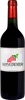
Winery Ragapple LassieMerlot
 wine
wine
This wine generally goes well with
The Merlot of the Winery Ragapple Lassie is in the top 0 of wines of Yakima Valley.

Details and technical informations about Winery Ragapple Lassie's Merlot.
Discover the grape variety: Viura
Crisp, structured dry whites with a pale golden color, ample palate and preserved acidity, offering citrus (lemon, grapefruit), white flowers (acacia, orange blossom), yellow fruits (pear, peach), apple and mineral notes. Fine barrel-ageing and cellaring potential (evolving Riojan whites). Star of Rioja DOCa whites as the primary white grape; also essential in Catalan Cava DO. Spanish synonym for macabeo in Rioja.
Informations about the Winery Ragapple Lassie
The Winery Ragapple Lassie is one of of the world's great estates. It offers 10 wines for sale in the of Yakima Valley to come and discover on site or to buy online.

The wine region of Yakima Valley
Washington's oldest AVA (1983): signature Chardonnay and Riesling as white kings (lively and taut, citrus, apple, white peach and a mineral touch, acidity preserved by cold nights). Supple Merlot (plum, blackberry), structured Cabernet Sauvignon (blackcurrant, cedar) and fleshy Syrah (blackberry, pepper, smoked meat) in concentrated reds. Southern Columbia Valley, basalt under loess, day-night contrast (80/50°F) — about 1/3 of the state's plantings.
The wine region of Washington
2nd US producer by volume, on the arid, sunny Columbia Valley. Star Cabernet Sauvignon (~60% of reds): powerful and structured with signature notes of blackcurrant, blackberry, cedar, dry herbs and graphite, firm tannins. Fleshy, peppery Syrah (black fruits, smoked meat). Round, fruity Merlot, historic mineral Riesling (dry and off-dry), precise Chardonnay and ample Sémillon.
The word of the wine: Oenologist
Specialist in wine-making techniques. It is a profession and not a passion: one can be an oenophile without being an oenologist (and the opposite too!). Formerly attached to the Faculty of Pharmacy, oenology studies have become independent and have their own university course. Learning to make wine requires a good chemical background but also, increasingly, a good knowledge of the plant. Some oenologists work in laboratories (analysis). Others, the consulting oenologists, work directly in the properties.