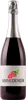
Winery R.M. PiccininiToscana Rosso
 Red wine


In the mouth this red wine is a powerful with a nice freshness.
This wine generally goes well with poultry, beef or veal.
Taste structure of the Toscana Rosso from the Winery R.M. Piccinini
Light | Bold | |
Smooth | Tannic | |
Dry | Sweet | |
Soft | Acidic |
In the mouth the Toscana Rosso of Winery R.M. Piccinini in the region of Tuscany is a powerful with a nice freshness.


Food and wine pairings with Toscana Rosso
Pairings that work perfectly with Toscana Rosso



Original food and wine pairings with Toscana Rosso


The Toscana Rosso of Winery R.M. Piccinini matches generally quite well with dishes of beef, lamb or veal such as recipes of beef with dark beer, rice with paprika and merguez or roast veal with mustard cream.
Details and technical informations about Winery R.M. Piccinini's Toscana Rosso.
Discover the grape variety: Blanqueiron
Blanqueiron blanc is a grape variety that originated in . It produces a variety of grape specially used for wine making. It is rare to find this grape to eat on our tables. Blanqueiron blanc is found in the vineyards of Provence and Corsica.
Last vintages of this wine
The best vintages of Toscana Rosso from Winery R.M. Piccinini are 2010, 0, 2009, 2008
Informations about the Winery R.M. Piccinini
The Winery R.M. Piccinini is one of of the world's greatest estates. It offers 10 wines for sale in the of Tuscany to come and discover on site or to buy online.

The wine region of Tuscany
Tuscany is one of the most famous and prolific wine regions in Europe. It is best known for its Dry red wines made from Sangiovese grapes, which dominate production. These include Chianti, Brunello di Montalcino and Vino Nobile di Montepulciano. The region's Vin Santo is also highly prized, as are its passito dessert wines, though these are produced in comparatively tiny quantities.
The word of the wine: Acidity
When present without excess, acidity contributes to the balance of the wine, giving it freshness and nervousness. But when it is very high, it becomes a defect, giving it a biting and green character. On the other hand, if it is insufficient, the wine is soft.