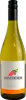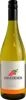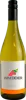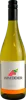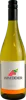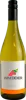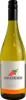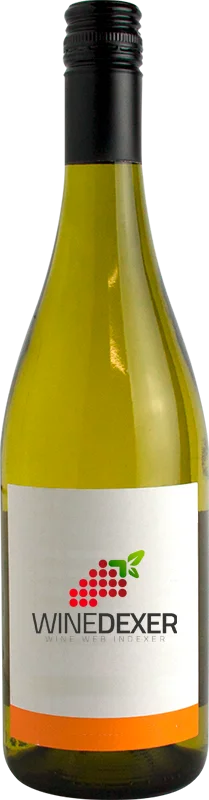
Winery Quinta dos ValesVale Lavradio Branco
 White wine


In the mouth this white wine is a with a nice freshness.
This wine generally goes well with pork, lean fish or shellfish.

Taste structure of the Vale Lavradio Branco from the Winery Quinta dos Vales
Light | Bold | |
Dry | Sweet | |
Soft | Acidic |
In the mouth the Vale Lavradio Branco of Winery Quinta dos Vales in the region of Algarve is a with a nice freshness.
Food and wine pairings with Vale Lavradio Branco
Pairings that work perfectly with Vale Lavradio Branco



Original food and wine pairings with Vale Lavradio Branco

The Vale Lavradio Branco of Winery Quinta dos Vales matches generally quite well with dishes of pasta, pork or shellfish such as recipes of saffron pasta with prawns, pork roulades with cream and mushrooms or parsley knives.
Details and technical informations about Winery Quinta dos Vales's Vale Lavradio Branco.
Discover the grape variety: Vranac
Intensely coloured, structured reds for ageing, with a deep purple colour, firm tannins and an ample palate, with signature aromas of black fruits (blackberry, blackcurrant, plum), spices, balsamic notes and hints of tobacco. Star of Montenegrin viticulture (Plantaže) and a signature variety for the great reds of North Macedonia and Kosovo, a typical expression of the western Balkans. Indigenous black variety of Montenegro and North Macedonia, whose name means "black horse".
Last vintages of this wine
The best vintages of Vale Lavradio Branco from Winery Quinta dos Vales are 0
Informations about the Winery Quinta dos Vales
The Winery Quinta dos Vales is one of of the world's great estates. It offers 65 wines for sale in the of Algarve to come and discover on site or to buy online.

The wine region of Algarve
Region of southernmost Portugal between Atlantic and serra, ~3,000 hours of sun/year. Negra Mole as a native red signature (~75%): light and accessible with signature notes of red cherry, raspberry, ripe plum, Mediterranean herbs and a spicy touch, fine tannins — easy-drinking southern style. Supple Castelao, spicy Trincadeira, dense Touriga Nacional, sunny Syrah. Whites Siria, Malvasia Fina (yellow fruits, flowers), taut Arinto.
The word of the wine: Burgundy piece
228-litre barrel.