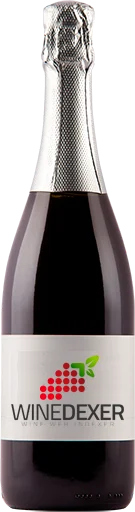
Winery Quinta do RolGrande Reserva Extra Bruto Blanc de Blancs
 Sparkling wine


This wine generally goes well with pork, vegetarian or poultry.

Food and wine pairings with Grande Reserva Extra Bruto Blanc de Blancs
Pairings that work perfectly with Grande Reserva Extra Bruto Blanc de Blancs



Original food and wine pairings with Grande Reserva Extra Bruto Blanc de Blancs

The Grande Reserva Extra Bruto Blanc de Blancs of Winery Quinta do Rol matches generally quite well with dishes of pork, rich fish (salmon, tuna etc) or vegetarian such as recipes of home-made white pudding, salmon steaks with lemon and shallot sauce or mushroom, bacon and gruyere quiche.
Details and technical informations about Winery Quinta do Rol's Grande Reserva Extra Bruto Blanc de Blancs.
Discover the grape variety: Chardonnay
Whites with many faces: mineral and taut at Chablis (lemon, green apple, flint), opulent and buttery at Meursault and Puligny-Montrachet (hazelnut, brioche, yellow fruits), tense and chalky in Champagne (Blanc de Blancs). Also vinified sparkling and widely exported (Sonoma, Margaret River, Casablanca). A Burgundian variety, a cross of Pinot Noir × Gouais Blanc, half-sibling of Aligoté.
Last vintages of this wine
The best vintages of Grande Reserva Extra Bruto Blanc de Blancs from Winery Quinta do Rol are 0
Informations about the Winery Quinta do Rol
The Winery Quinta do Rol is one of of the world's great estates. It offers 25 wines for sale in the of Lisboa to come and discover on site or to buy online.

The wine region of Lisboa
Vast coastal IGP north of Lisbon, Portugal's largest producer by volume. Accessible, sun-filled reds: fruity, spicy Castelão, dense Touriga Nacional (black fruit, violet), fleshy Trincadeira, deep Alicante Bouschet. Fresh, mineral whites: straight, lemony Arinto (star of Bucelas), aromatic Fernão Pires, round Vital and Malvasia. Structured reds from Alenquer, sparkling at Óbidos.
The word of the wine: Aging on lees
Maturing on the lees enhances the stability, aromatic complexity and texture of white wines, which gain in body and volume. This phenomenon is induced by autolysis, the process of self-degradation of the lees.