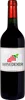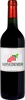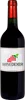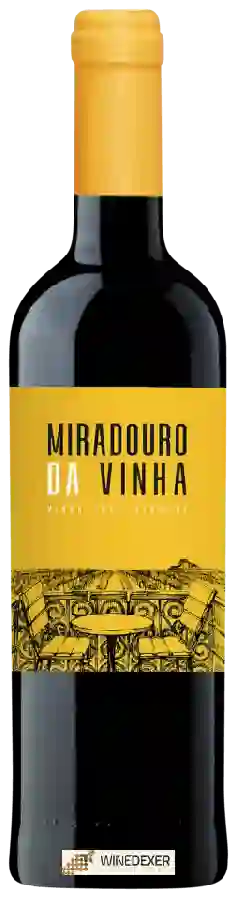
Winery Quinta de São SebastiãoMiradouro da Vinha Tinto
 Red wine



In the mouth this red wine is a powerful with a nice balance between acidity and tannins.
This wine generally goes well with poultry, beef or veal.
Taste structure of the Miradouro da Vinha Tinto from the Winery Quinta de São Sebastião
Light | Bold | |
Smooth | Tannic | |
Dry | Sweet | |
Soft | Acidic |
In the mouth the Miradouro da Vinha Tinto of Winery Quinta de São Sebastião in the region of Lisboa is a powerful with a nice balance between acidity and tannins.
Wine flavors and olphactive analysis



On the nose the Miradouro da Vinha Tinto of Winery Quinta de São Sebastião in the region of Lisboa often reveals types of flavors of non oak, earth or oak and sometimes also flavors of red fruit.
Food and wine pairings with Miradouro da Vinha Tinto
Pairings that work perfectly with Miradouro da Vinha Tinto



Original food and wine pairings with Miradouro da Vinha Tinto

The Miradouro da Vinha Tinto of Winery Quinta de São Sebastião matches generally quite well with dishes of beef, pasta or veal such as recipes of harira de mamie (moroccan soup), pasta with chicken, peppers and mushrooms or roast veal with caramelized carrots.
Details and technical informations about Winery Quinta de São Sebastião's Miradouro da Vinha Tinto.
Discover the grape variety: Refosco ped. rosso
Refosco dal peduncolo rosso is a very old grape variety, certainly finding its first origins in the region of Friuli situated in the north-eastern point of Italy. It should not be confused with terrano or refosco d'Istria, ... the one described here is more qualitative. It can be found in the former Yugoslavia, in Argentina, ... in France it is almost unknown. According to genetic analysis, it is the son of the marzemino, the grandson of the teroldego, the father of the corvina and the grandfather of the rondinella (Pierre Galet).
Last vintages of this wine
The best vintages of Miradouro da Vinha Tinto from Winery Quinta de São Sebastião are 2014, 2015, 2017, 2016 and 0.
Informations about the Winery Quinta de São Sebastião
The Winery Quinta de São Sebastião is one of of the world's greatest estates. It offers 40 wines for sale in the of Lisboa to come and discover on site or to buy online.

The wine region of Lisboa
Lisboa (formerly Estremadura) is a prolific wine region located at the Center of Portugal's Atlantic coast. Despite being one of the country's most productive winemaking areas, its name remains relatively obscure in wine terms, as its wines have traditionally been labeled with the names of the local sub-regions, which include Alenquer, Bucelas and Colares. The region is also home to Portugal's capital, Lisbon. The region fell under the VR (Vinho Regional) classification until 2008, when the category was renamed IGP (Indicaciones Geográficas Protegidas) to bring it into line with the rest of Europe.
The word of the wine: Hard
A harsh, biting wine, characterized by an excess of tannins and acidity. It is often said of young wines that lack smoothness.