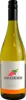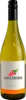
Winery Quinta de PacosPrazo da Cotovia Moscatel Galego
 White wine


In the mouth this white wine is a with a nice freshness.
This wine generally goes well with appetizers and snacks, lean fish or shellfish.

Taste structure of the Prazo da Cotovia Moscatel Galego from the Winery Quinta de Pacos
Light | Bold | |
Dry | Sweet | |
Soft | Acidic |
In the mouth the Prazo da Cotovia Moscatel Galego of Winery Quinta de Pacos in the region of Minho is a with a nice freshness.
Food and wine pairings with Prazo da Cotovia Moscatel Galego
Pairings that work perfectly with Prazo da Cotovia Moscatel Galego



Original food and wine pairings with Prazo da Cotovia Moscatel Galego

The Prazo da Cotovia Moscatel Galego of Winery Quinta de Pacos matches generally quite well with dishes of shellfish, appetizers and snacks or lean fish such as recipes of spaghetti with squid ink (italy), beetroot and cream cheese verrines or fish paella.
Details and technical informations about Winery Quinta de Pacos's Prazo da Cotovia Moscatel Galego.
Discover the grape variety: De Chaunac
Colourful, simple fruity reds with a deep purple robe, silky tannins and an airy palate with preserved acidity, showing aromas of red fruits and herbaceous notes. Cold- and disease-resistant. Grown mainly in Canada (Ontario, Quebec) and the north-eastern United States, adapting to rigorous continental viticultural climates. French black hybrid (Seibel 9549), named after Quebec researcher Adhémar de Chaunac.
Last vintages of this wine
The best vintages of Prazo da Cotovia Moscatel Galego from Winery Quinta de Pacos are 2019, 2018, 2017, 0
Informations about the Winery Quinta de Pacos
The Winery Quinta de Pacos is one of of the world's greatest estates. It offers 16 wines for sale in the of Minho to come and discover on site or to buy online.

The wine region of Minho
Portugal's northernmost region, heart of Atlantic Vinho Verde. Signature lively, lightly sparkling whites with signature notes of citrus, green apple, white flowers, fresh herbs and a saline touch, thirst-quenching, low-alcohol palate — the sunshine wine par excellence. High-end star Alvarinho (peach, exotic fruits, minerality), floral Loureiro (laurel), ample Trajadura, taut Arinto, structured Avesso. Vinhão as lively red.
The word of the wine: Decommissioning
Removal of the right to the appellation of origin of a wine; it is then marketed as Vin de France.