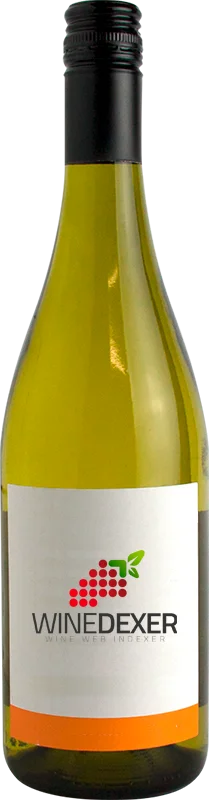
Winery Quinta das HortênsiasBranco
 White wine


This wine is a blend of 2 varietals which are the Alvarinho and the Verdelho.
In the mouth this white wine is a powerful.
This wine generally goes well with pork, lean fish or shellfish.

Taste structure of the Branco from the Winery Quinta das Hortênsias
Light | Bold | |
Dry | Sweet | |
Soft | Acidic |
In the mouth the Branco of Winery Quinta das Hortênsias in the region of Lisboa is a powerful.
Food and wine pairings with Branco
Pairings that work perfectly with Branco



Original food and wine pairings with Branco

The Branco of Winery Quinta das Hortênsias matches generally quite well with dishes of pasta, pork or shellfish such as recipes of pasta with mussels, spaghetti carbonara or panga curry.
Discover the grape variety: Alvarinho
Lively, aromatic whites with cutting acidity and a slender mouth, featuring intense aromas of citrus, white peach, apricot, white flowers, passion fruit and iodised Atlantic saline notes. Tonic, long finish. The absolute star of the Monção e Melgaço sub-region (Vinho Verde DOC), it signs the finest Portuguese Vinho Verde. Also made as a single variety in the Douro. The Portuguese name for Galician Albariño, native to the northwest Iberian peninsula.
Last vintages of this wine
The best vintages of Branco from Winery Quinta das Hortênsias are 2009, 0, 2013
Informations about the Winery Quinta das Hortênsias
The Winery Quinta das Hortênsias is one of of the world's greatest estates. It offers 6 wines for sale in the of Lisboa to come and discover on site or to buy online.

The wine region of Lisboa
Vast coastal IGP north of Lisbon, Portugal's largest producer by volume. Accessible, sun-filled reds: fruity, spicy Castelão, dense Touriga Nacional (black fruit, violet), fleshy Trincadeira, deep Alicante Bouschet. Fresh, mineral whites: straight, lemony Arinto (star of Bucelas), aromatic Fernão Pires, round Vital and Malvasia. Structured reds from Alenquer, sparkling at Óbidos.
The word of the wine: Body (having)
Wine, dense and rich in alcohol.