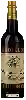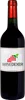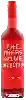
Winery Primitivo QuilesMoscatel Extra
 Sweet wine


This wine generally goes well with sweet desserts
Wine flavors and olphactive analysis

Food and wine pairings with Moscatel Extra
Pairings that work perfectly with Moscatel Extra

Original food and wine pairings with Moscatel Extra
The Moscatel Extra of Winery Primitivo Quiles matches generally quite well with dishes of sweet desserts such as recipes of traditional pastry flan.
Details and technical informations about Winery Primitivo Quiles's Moscatel Extra.
Discover the grape variety: Oeillade noire
Probably originating in the Languedoc, oeillade Noire is known by other names such as olhada, aragnan noir, ulhat, hulliade or croque. This variety should not be confused with Cinsault, which is highly productive, producing up to 5kg per vine, and is particularly noted for its drooping habit and vigour. The black eye is a late bloomer. Oidium, mildew and grey rot are its main enemies. It requires a rather short pruning, coulure and millerandage could harm its development and the grapes it would bear. It prefers a good exposure and reaches maturity around the second half of August. Its bunches are of medium size and its fruits have a great resemblance to those of the Cinsault. They have been eaten fresh at the table for a long time. The wine produced from this variety is quite alcoholic and has a colour similar to that of a cherry. The variety is no longer multiplied and seems to be on the way out.
Last vintages of this wine

The best vintages of Moscatel Extra from Winery Primitivo Quiles are 0, 2012
Informations about the Winery Primitivo Quiles
The Winery Primitivo Quiles is one of of the world's greatest estates. It offers 13 wines for sale in the of Alicante to come and discover on site or to buy online.

The wine region of Alicante
The wine region of Alicante is located in the region of Murcie of Spain. Wineries and vineyards like the Domaine Sierra Salinas or the Domaine Volver produce mainly wines red, white and sweet. The most planted grape varieties in the region of Alicante are Cabernet-Sauvignon, Merlot and Tempranillo, they are then used in wines in blends or as a single variety. On the nose of Alicante often reveals types of flavors of red fruit, savory or molasses and sometimes also flavors of black licorice, baking spice or rosemary.
The wine region of Murcie
Murcia is one of the smallest and least known regions in Spain. Nestled in the extreme Southeast of the country, it is bordered by Andalusia to the west, Castilla-La Mancha to the North, Valencia to the east and the Mediterranean Sea to the south. This small administrative region consists of a single province and an administrative centre that share the same name. As far as wine is concerned, Murcia has three designations of origin.
The word of the wine: Muscat blanc à petits grains
A white grape variety cultivated since antiquity on the shores of the Mediterranean, it is considered the noblest of the muscats. It is mainly used to make sweet wines, often from mutage. In France, it is the sole variety used in many natural sweet wines: muscat-de-frontignan, muscat-de-mireval, muscat-de-lunel, muscat-de-saint-jean-de-minervois, muscat-de-beaumes-de-venise, muscat-du-cap-corse. Combined with Muscat d'Alexandrie, it gives Muscat-de-Rivesaltes. It is also used to make sparkling white wines (clairette-de-die; moscato d'asti and asti spumante in Italy) and dry wines (alsace-muscat). Powerfully aromatic and complex, its wines evoke fresh grapes, roses, exotic fruits, citrus fruits and spices.