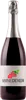
Winery Prieur BarsanneFitou
 Red wine


In the mouth this red wine is a powerful with a nice balance between acidity and tannins.
This wine generally goes well with beef, veal or pasta.

Taste structure of the Fitou from the Winery Prieur Barsanne
Light | Bold | |
Smooth | Tannic | |
Dry | Sweet | |
Soft | Acidic |
In the mouth the Fitou of Winery Prieur Barsanne in the region of Languedoc-Roussillon is a powerful with a nice balance between acidity and tannins.
Food and wine pairings with Fitou
Pairings that work perfectly with Fitou



Original food and wine pairings with Fitou
The Fitou of Winery Prieur Barsanne matches generally quite well with dishes of beef, pasta or veal such as recipes of stuffed zucchini, pistou soup complete or veal paupiettes with cider.
Details and technical informations about Winery Prieur Barsanne's Fitou.
Discover the grape variety: Erbaluce
Lively and mineral whites, pale golden colour, fresh and taut mouth with preserved acidity, with signature aromas of citrus (lemon, citron), green apple, white flowers (acacia) and mineral notes. Also made as Spumante sparkling and Passito dessert wine. Star of Erbaluce di Caluso DOCG in Piedmont. Autochthonous Piedmontese white grape from the province of Turin.
Last vintages of this wine
The best vintages of Fitou from Winery Prieur Barsanne are 2017, 2018, 2014, 2016 and 2015.
Informations about the Winery Prieur Barsanne
The Winery Prieur Barsanne is one of of the world's greatest estates. It offers 18 wines for sale in the of Fitou to come and discover on site or to buy online.

The wine region of Fitou
Languedoc's 1st red AOC (1948), realm of Carignan on 2 separated entities (maritime Leucate lagoon, mountainous Mont Tauch). Signature powerful structured reds with notes of black cherry, blackberry, garrigue, liquorice, pepper and schistous mineral touch, firm tannins and warm mouth — sunny ageing wines (5-15 years). Grenache brings finesse and fruit, Syrah spice, Mourvèdre depth. Schist and limestone soils over ~2,500 ha.
The wine region of Languedoc-Roussillon
Largest single French vineyard, dominated by sunny, generous reds. Spicy Syrah, candied Grenache (ripe fruit, garrigue), structured Carignan, deep Mourvèdre, supple Cinsault. Stars: structured Corbières, Minervois, Faugères, Saint-Chinian; round Côtes-du-Roussillon. Legendary vins doux naturels: Banyuls and Maury (fortified Grenache) with notes of cocoa, fig, prune.
The word of the wine: Virile
Said of a robust, full-bodied wine and, in general, of wines reputed to be powerful in reference to masculine virility.