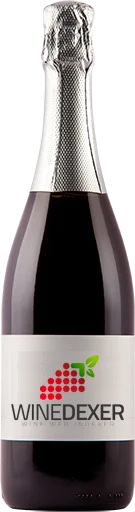
Winery PositiveFlutt Brut
 Sparkling wine



This wine generally goes well with

Wine flavors and olphactive analysis




On the nose the Flutt Brut of Winery Positive in the region of Beiras often reveals types of flavors of non oak, earth or microbio and sometimes also flavors of oak, tree fruit or citrus fruit.
Details and technical informations about Winery Positive's Flutt Brut.
Discover the grape variety: Encruzado
Structured, aromatic dry whites with a pale golden robe, an ample palate and preserved acidity, with signature aromas of citrus (lemon), white-fleshed fruits (peach, pear), white flowers (acacia) and granitic mineral notes. Fine ageing potential, sometimes barrel-aged. Absolute star of Dão DOC, considered the great white wine of the region, excelling as a single variety. Autochthonous Portuguese white variety from the Dão.
Last vintages of this wine
The best vintages of Flutt Brut from Winery Positive are 0
Informations about the Winery Positive
The Winery Positive is one of of the world's greatest estates. It offers 14 wines for sale in the of Bairrada to come and discover on site or to buy online.

The wine region of Bairrada
Portuguese DOC of the central-west, kingdom of native Baga (>50%). Dense, structured reds with signature notes of black cherry, plum, eucalyptus, tobacco and earthy notes, firm tannins and lively acidity — wines of very long ageing. Also fruity Castelão and perfumed Touriga Nacional. Floral Maria Gomes (Fernão Pires), lively Arinto, mineral Bical whites.
The wine region of Beiras
Vast region of north-central Portugal, a fragmented mosaic of distinct sub-regions. In the west, Bairrada makes dense Baga reds with notes of black cherry, blackberry and leather, firm tannins — the base of the great Portuguese sparkling wines. In the centre, Dao produces fine Touriga Nacional reds (violet, raspberry, spice) and elegant Encruzado whites (flowers, citrus, butter). To the continental east, fleshy Touriga of Beira Interior and aromatic Fernao Pires.
The word of the wine: Mouth
The mouth is the third stage of wine tasting after the eye and nose. In the mouth, the taster identifies the aromas through the retronasal route, the flavours and the texture. It is in the mouth that the overall balance of the wine is apprehended.