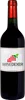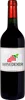
Winery Pók TamásNagy-Eged Kékfrankos
 Red wine



This wine generally goes well with
Wine flavors and olphactive analysis


On the nose the Nagy-Eged Kékfrankos of Winery Pók Tamás in the region of Eger often reveals types of flavors of earth, oak or red fruit.
Details and technical informations about Winery Pók Tamás's Nagy-Eged Kékfrankos.
Discover the grape variety: Dureza
This grape variety is said to originate in the north of the Ardèche department, but we find it very similar to Duras from the Gaillac region (Tarn). D.N.A. analyses have shown that Syrah is related to Mondeuse Blanche (mother) and Dureza (father). Italian and Swiss researchers have also suggested that Dureza, which is now endangered, is a brother or sister of the Italian variety Teroldego and that Pinot Noir is a close relative. Dureza is registered in the Official Catalogue of wine grape varieties, list A1. - Synonym: duré or duret (for all the synonyms of the grape varieties, click here!).
Last vintages of this wine
The best vintages of Nagy-Eged Kékfrankos from Winery Pók Tamás are 2012, 2009, 2011, 0
Informations about the Winery Pók Tamás
The Winery Pók Tamás is one of of the world's greatest estates. It offers 10 wines for sale in the of Eger to come and discover on site or to buy online.

The wine region of Eger
Eger, in northeastern Hungary, is a wine region best known for its Egri Bikavér wine, popularly known as "Bull's Blood". Although Sweet, white Tokaji remains unrivaled as Hungary's most famous wine overall, Bikavér (Bull's Blood) is surely the country's most famous red. The style – a Complex blend of several dark-skinned grapes – was first made in the late 19th Century, in Szekszard (200 kilometers/130 miles southwest of Eger). It rose to international fame in the 1970s, when the state-owned Egervin winery monopolized production of the style, and successfully promoted it on export markets.
The word of the wine: Chaptalization
The addition of sugar at the time of fermentation of the must, an ancient practice, but theorized by Jean-Antoine Chaptal at the dawn of the 19th century. The sugar is transformed into alcohol and allows the natural degree of the wine to be raised in a weak or cold year, or - more questionably - when the winegrower has a harvest that is too large to obtain good maturity.