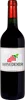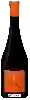
Winery Poggio MoriSertorius Toscana Rosso
 Red wine


In the mouth this red wine is a with a nice freshness.
This wine generally goes well with poultry, beef or veal.
Taste structure of the Sertorius Toscana Rosso from the Winery Poggio Mori
Light | Bold | |
Smooth | Tannic | |
Dry | Sweet | |
Soft | Acidic |
In the mouth the Sertorius Toscana Rosso of Winery Poggio Mori in the region of Tuscany is a with a nice freshness.
Wine flavors and olphactive analysis


On the nose the Sertorius Toscana Rosso of Winery Poggio Mori in the region of Tuscany often reveals types of flavors of non oak, oak.
Food and wine pairings with Sertorius Toscana Rosso
Pairings that work perfectly with Sertorius Toscana Rosso



Original food and wine pairings with Sertorius Toscana Rosso


The Sertorius Toscana Rosso of Winery Poggio Mori matches generally quite well with dishes of beef, lamb or veal such as recipes of beef tongue in hot sauce, lamb tagine with figs or gigolette of rabbit.
Details and technical informations about Winery Poggio Mori's Sertorius Toscana Rosso.
Discover the grape variety: Sangiovese
Originally from Italy, it is the famous Sangiovese of Tuscany producing the famous wines of Brunello de Montalcino and Chianti. This variety is registered in the Official Catalogue of Wine Grape Varieties, list A1. According to recent genetic analysis, it is the result of a natural cross between the almost unknown Calabrese di Montenuovo (mother) and Ciliegiolo (father).
Last vintages of this wine

The best vintages of Sertorius Toscana Rosso from Winery Poggio Mori are 2008, 2014, 0, 2007
Informations about the Winery Poggio Mori
The Winery Poggio Mori is one of of the world's greatest estates. It offers 3 wines for sale in the of Tuscany to come and discover on site or to buy online.

The wine region of Tuscany
Tuscany is one of the most famous and prolific wine regions in Europe. It is best known for its Dry red wines made from Sangiovese grapes, which dominate production. These include Chianti, Brunello di Montalcino and Vino Nobile di Montepulciano. The region's Vin Santo is also highly prized, as are its passito dessert wines, though these are produced in comparatively tiny quantities.
The word of the wine: Extra-dry
Champagne with between 12 and 20 grams of sugar (see dosage liqueur).