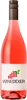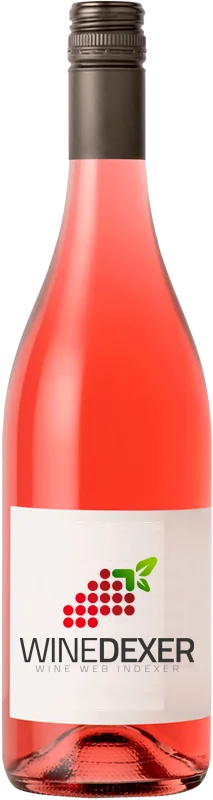
Winery Poggio AltoPinot Grigio Rosé
 Pink wine



This wine generally goes well with poultry, veal or shellfish.
Food and wine pairings with Pinot Grigio Rosé
Pairings that work perfectly with Pinot Grigio Rosé



Original food and wine pairings with Pinot Grigio Rosé
The Pinot Grigio Rosé of Winery Poggio Alto matches generally quite well with dishes of veal, shellfish or poultry such as recipes of moroccan veal tagine from hanane, seafood pie or chicken curry samoussas.
Details and technical informations about Winery Poggio Alto's Pinot Grigio Rosé.
Discover the grape variety: Torrontés riojano
Most certainly of Argentine origin, very well known in this country, particularly in the Rioja and Salta regions. It is said to be the result of a cross between the Muscat d'Alexandrie and the Listan Prieto Noir, also known as Criolla Chica. We can note its resemblance with the torrontés sanjuanino, most certainly by the fact that it is also resulting from the same crossing. In Spain (Galicia), a grape variety bears the name of torrontés, it is most certainly the fernao Pires. Torrontés riojano is also present in Chile, but in France it is practically unknown.
Last vintages of this wine
The best vintages of Pinot Grigio Rosé from Winery Poggio Alto are 2017, 0
Informations about the Winery Poggio Alto
The Winery Poggio Alto is one of of the world's greatest estates. It offers 3 wines for sale in the of Veneto to come and discover on site or to buy online.

The wine region of Veneto
Veneto is an important and growing wine region in northeastern Italy. Veneto is administratively Part of the Triveneto area, aLong with its smaller neighbors, Trentino-Alto Adige and Friuli-Venezia Giulia. In terms of geography, culture and wine styles, it represents a transition from the Alpine and Germanic-Slavic end of Italy to the warmer, drier, more Roman lands to the South. Veneto is slightly smaller than the other major Italian wine regions - Piedmont, Tuscany, Lombardy, Puglia and Sicily - but it produces more wine than any of them.
The word of the wine: Hat
Solid part (marc), composed of pips and skins (sometimes of the stalk), which forms at the top of the tank during fermentation. The pigeage consists in breaking this cap to put back in suspension these elements and to favour the exchanges between the juice and the skins.