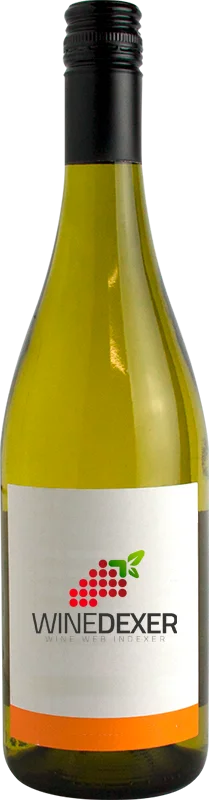
Winery Podere SpazzaventoDionisia
 White wine


In the mouth this white wine is a with a nice freshness.
This wine generally goes well with vegetarian, appetizers and snacks or lean fish.

Taste structure of the Dionisia from the Winery Podere Spazzavento
Light | Bold | |
Dry | Sweet | |
Soft | Acidic |
In the mouth the Dionisia of Winery Podere Spazzavento in the region of Tuscany is a with a nice freshness.
Food and wine pairings with Dionisia
Pairings that work perfectly with Dionisia



Original food and wine pairings with Dionisia


The Dionisia of Winery Podere Spazzavento matches generally quite well with dishes of pasta, vegetarian or appetizers and snacks such as recipes of spaghetti carbonara, quiche lorraine or happy new year bites.
Details and technical informations about Winery Podere Spazzavento's Dionisia.
Discover the grape variety: Lambrusco grasparossa
Intensely coloured sparkling reds with a deep purple hue and violet foam, more structured tannins than other Lambruschi, and a lively palate, with aromas of red fruits (cherry, strawberry), violet and floral notes. Also made dry, off-dry or sweet. Star of the Lambrusco Grasparossa di Castelvetro DOC in Emilia-Romagna, ideal with Modenese charcuterie. Lambrusco variety grown near Modena.
Last vintages of this wine
The best vintages of Dionisia from Winery Podere Spazzavento are 0
Informations about the Winery Podere Spazzavento
The Winery Podere Spazzavento is one of of the world's great estates. It offers 15 wines for sale in the of Tuscany to come and discover on site or to buy online.

The wine region of Tuscany
Kingdom of Sangiovese: upright reds with cherry, plum, dried herbs and leather, lively acidity and firm tannins. Fleshy, food-friendly Chianti Classico DOCG, deep long-ageing Brunello di Montalcino (spice, tobacco, ripe black fruit), elegant Vino Nobile di Montepulciano. On the coast, Bolgheri crafts the opulent Cabernet- and Merlot-based 'Super Tuscans'. Some fresh white Vernaccia.
The word of the wine: Pinot meunier
Cultivated in the 19th century in all the northern vineyards, this black grape variety has largely regressed since. Very present in the Marne valley, it constitutes a third of the vineyards in Champagne, alongside pinot noir and chardonnay with which it is often blended. It brings roundness and red and yellow fruit aromas to champagnes. Pinot meunier is also the dominant grape variety in red and rosé wines in the Orleans AOC and the rare Touraine-Noble-Joué, a grey wine. Syn.: meunier.